
https://www.reggae-vibes.com/articles/2025/11/interview-with-rico-rodriguez/
by Peter I
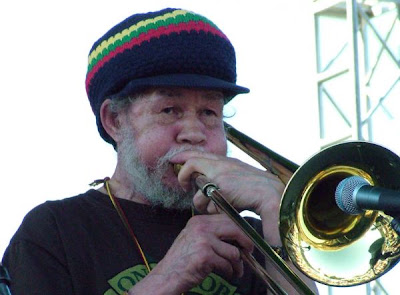
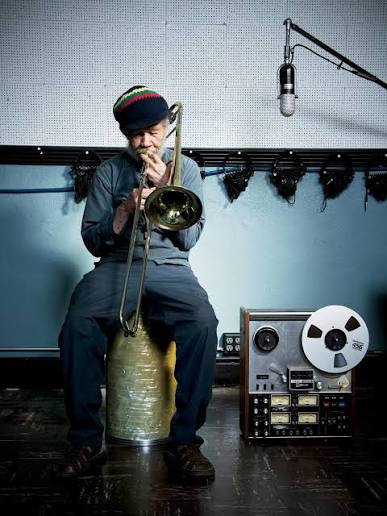
There are few hornsmen in Jamaican music who get such respect as trombone player extrordinarie, Rico Rodriguez. Essentially a jazz musician like many from his generation of 1950’s players, he took those influences, particularly from his teacher and first inspiration, the late great Don Drummond, and added his vibe to what was soon to be called ska as one of many session-men on the Kingston scene, thus contributing to the future development of the music. He cut a landmark album for Island Records in the mid seventies, ‘Man From Wareika’, and got a whole new young audience as a member of The Specials during the ‘2 Tone’ nu-ska boom in the late seventies/early eighties. For the past sixteen years Rico has been member of Jools Holland’s Rhythm & Blues Orchestra, but also plays out with his own band. He was recently awarded an MBE for his outstanding contributions to the music in Britain.
First, you have Cuban roots on your father’s side I think, did you spend any time there at all during your childhood, or you basically grew up in Jamaica? In Jamaica, man.
You have a lot of relatives over there still? Well, I had my mother, but my mother died a long time ago, yunno. And me sister did deh inna America so me no have no family in Jamaica too tough.
And the Cuban connection? No, no. I used to see my father when I was a little boy, yunno, but when I grow up it was with my mother. Him no there, no.
Where in Kingston did you grow up? Me grow inna the West Kingston, western Kingston.
What part? Matthews Lane side.
Where exactly is that, close to Jones Town? No, that is west, West Kingston. West Kingston by the waterfall (the fountain at William Grant Park, a reference/meeting spot at the time). Yeah.
So when did you actually go up to the hills, Wareika Hills? When I was in a… when I was in the teens.
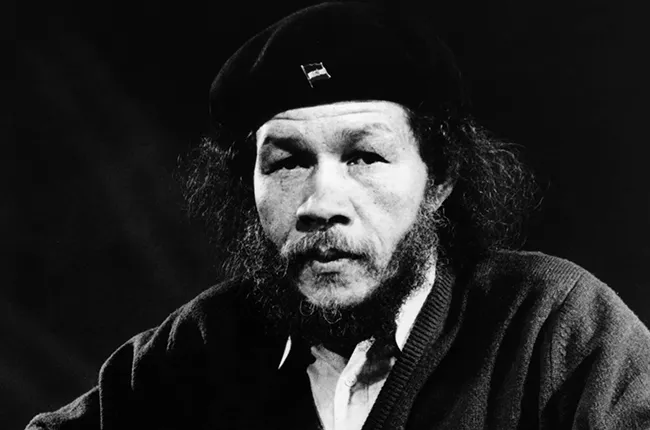
How come you ended up there? Well my friend used to play trombone, my very good friend, my tutor, Don Drummond. And he used to go up there, so I used to follow him up there, y’know.
When was this, like mid fifties or something? Late fifties.
Late fifties, OK. Yeah, yeah. That’s how I follow him up and I jus’ start stayin’ up in Wareika Hills with him an’ studied music with him, yunno. We listened to the music of the Mystic Revelation of Rastafari, Count Ossie. That was my regular movement every day, to Wareika Hills, playing with the musicians up there.
When did you meet Drummond? Don was in school, he was my teacher in school, and we lived about three streets away, together, yunno. Like he live on one street and I live about two streets away from him, so… He always ask me why I go home every night, yunno, why don’t I come an’ stay with him in Wareika Hill an’ play some music, so that’s how I met him, started stayin’ out with him.
So you met him at school. I met him… we were friends from Alpha (Boys School), because he was famous and he was always working, yunno. And I want to find him, so findin’ him up in Wareika Hill I decide to stay up there with him. Both of us come from Allman Town, livin’ with our mothers, and I discover in the daytime I don’t see him, so I ask him where him is, so him seh him always go up to Wareika Hills.
How do you remember him now, as far as character, personality, etc?
He was a very quiet, a very quiet man, yunno, quiet man an’ really into studying music and writing. But he was a very… quiet, quiet person, him never used to play football or anyt’ing like that. Me used to play football, maybe he look at football as too rough a game he don’t play, y’know.
He didn’t have a family up there to take care of? Who, Don? No, no. Don had his mother. But he was one of the best players in the country, so everybody was interested in him very much. Sometimes he plays with different bands, but when I catch him up in Wareika Hills he was just a regular man stayin’ in Wareika Hills, playing music.
How come you ended up in Alpha Boys School, why your mother sent you there? Well, maybe I was giving her a hard time really to get into school, so eventually she send me there. Kingston is a rough place, yunno.
It is. So really, my mother didn’t feel good that I was in Kingston, y’know, so it would be better if I would be there, at Alpha.
What was your impression of Alpha? Eh? It was a bit rough, yunno. Many fights. You fight, you’d have a lot of fights, people don’t like you so you fight all the time.
OK, so you were a bad boy in… Well, yes, yes. You’d have to fight.
But in those days it was either fists or a knife, not guns, thankfully. Yeah, well, we no have guns yet, jus’ fistfight them, yunno. Yeah.
Right. So Alpha in general was a pretty strict place. You had Iggy there, Sister Iggy. Yeah. Because Alpha was a place like, in the morning you get up an’ you’d get a lot of drillin’, yunno, in the mornings. Then you’d do music in the morning, and then they have breakfast time. But Alpha was always a place where you’d have to get up early in the morning and excercise. A kinda drillin’ like, in the early mornin’ until breakfast time, as well as music.
So you had to learn a trade there, that was part of the schedule. Well, I was learnin’ printin’ and bookbinding, and sometimes they used to have an agricultural section. So we used to do… for the eight hours a day, we used to go an’ do a bit of gardenin’ in the morning, or school in the morning, and music in the afternoon. So you only get half-day of each, the t’ing you’re doing, yunno. It wasn’t a whole day education or nutten, jus’ half-day.
What was the cause that you chose the ‘blowing in the wind’ instrument, it was only because of Don’s influence? Well, Drummond was me friend, like. Me always strive fe get inna the band, yunno, but it never happen so easy to… it took a long time. But when them tek me in the band, I never even get to play a trombone, they used to give me cornette to play, and euphonium. Miscellaneous instruments I used to play.
What type of music did you listen to in those days? We used to listen a lot of Cuban, Cuban music used to come on the Jamaican radio all the time, it was Cuban music and…
Things like merengue. Yes, and American music as well. What we used to play in school was directly classical, European classical music. So that’s all we used to do, we study scales an’ hearing and classical music. That’s all.
How do you look back on those days at Alpha now, are you thankful for the opportunity you got and the education itself, or there’s not too fond memories of being there, as the institution it was? Yeah, well, I’m very thankful for what I got from Alpha. There were times when I really wasn’t happy in Alpha, but…
Because of…? Well, different t’ings, yunno, punishments and whatever, because maybe I used to go out a street every day, and I used to go by the seaside every day and go swim, an’ sometime when I come back in me head wet so they thought I was there, so…
Discipline. Yeah, yeah – discipline, strong. The kinda discipline with dem people fe learn music really good, yunno. So I’m happy for that trainin’ I got in Alpha, studyin’ for life in other words.
I learned somewhere that when you used to practice with Don, if you hit the wrong note or whatever, didn’t stay focused enough, he would sometimes slap you in the face. He was very… the way I woulda call it, Don Drummond is a perfectionist, yeah?
Yes. And I was so young at that time I wasn’t even sure if I even could get 7th position on my trombone, y’know. So I woulda say he was a stric’, stric’ teacher, a strict teacher. Because, he have to teach me, and if I don’t show enough results to the bandleader, the bandmaster, the bandmaster would go at him, so I have to be forward with what he’s showing me. So when the bandmaster aks me I’m on my feet and tell him the right t’ing, yunno.
But Don never got into teaching at Alpha, wasn’t a ‘teacher’ as such, he was just a student there as well, wasn’t he? No, him was a student as the rest of us, but he was very bright. He used to play… he also play the euphonium very good. As I say, he was one of the best players in school.
I think he used to play with a few of the big jazz orchestras of the time, like the Eric Deans Orchestra.
Yeah man, when in school he used to go out an’ play with the Eric Deans Orchestra, as well as Reuben Alexander. Reuben Alexander used to play with the Deans band too. And Blu Buccannon, they used to play with the Eric Deans while they were still in school, yunno. So they used to go an’ play and come back to school. So when they leave school they were with the Deans band.
But did you ever play with any of the big bands at that time?
Yeah man, I play with the big jazz band of Jamaica, I was playin’ in that band alongside Drummond and Rupert Anderson and Carlos Malcolm.
What was the name of the band again? The Jamaica Jazz Orchestra. Yeah. They give me a fourth part to play, fourth trombone.
Did you do that a lot? Yes, whenever they want fe do that show they always go to the Carib Theater, or the Ward Theater. I did a few shows with them like that then. And University College of the West Indies, Mona (Heights), yeah, we had sessions up there.
How do you look back on the days you spent with him now? Do you think Jamaica has kept his memory alive really well? Yeah man, Drummond is a big name, even after his death he’s really recognised very well. How you say, from all over the world he’s very respected, and in Jamaica very much. You talk about trombone and Don Drummond, y’know wha’ I mean. He is a famous trombone player.
Regarding your style of playing, how much did Don influence you, or you pretty much inspired each other after a while? Well, I think I was his closest friend, he plays in bands with a lot of other musicians but I live in the same city like him, Kingston. Myself an’ Drummond were very good friends, we are very good friends.
But in playing trombone, do you think you have a lot of his tone and approach in your playing? Yes, I think I have the tone, I think I have his tone, yeah? I think I have a little of his style, but I don’t think I am a hundred per cent Don Drummond, y’know.
Did you further your studies in music later on? Well, from I leave Alpha, life wasn’t easy any more, OK? There wasn’t much work for musicians, so I had a vacuum in the music time, I didn’t get to play for years and years. But wherever there was a trombone, wherever I go and there was a trombone, I used to have a little blow on the instrument. But I’m always among musicians.
You spent a lot of time after Alpha up at Wareika Hills? Yes, up at Wareika Hills, and there was instruments around, so I always play. So I always kept busy. Not really earning money out of it, but just practising, y’know, I do a lot of that.
Who were some of the first people you worked with as far as recordings, was that (Prince) Buster? The first recording we do in a Jamaica was with a man name Stanley Motta, that’s Stanley Motta with Derrick Harriott & The Jiving Juniors. That’s my first recording, yeah.
Oh, which one? We call the song ‘Over The River’, yeah. That’s my first recording in Jamaica.
What was the studio, did Motta use his own or he got the slightly better facilities over at Federal? No, the studio was in Hanover Street, Stanley Motta’s studio.
Ah, I see. He used to pioneer a lot of the mento recordings on the island. That’s right, that’s right, that’s right. Yeah.
And that was 1960 or something? Yeah, about that time, the first recording with the Jiving Juniors, Derrick Harriott.
What happened next, you started to sit in on sessions for Duke Reid or Coxson? No, well, after Derrick Harriott session, I know them through… they used to do a lotta stage shows, and I was friends with them so they asked me to come an’ do some recording with them. I met them how I met Monty Alexander, yunno. Yeah.
So what about the work you did for Buster, there was a lot of material you cut for him? Prince Buster? No, me never record for Buster too tough that time deh, me used to record fe Duke Reid, (Count) Boysie, Coxson. Me record fe a lot of different people that time.
What about someone called Charlie Moo? Chineyman?
Could be. Yeah, we used to record for him, for the Chineyman dem an’… we used to do a lotta recording, me an’ Lester Sterling, yunno. Me an’ Lester Sterling used to move together and do a lot of session fe different companies, different people.
And of course for Vincent Chin too, Randy’s.
Yeah, we do recording fe Randy’s, beca’ Randy’s was my… Vincent was my personal friend an’ we come from the same part of Kingston. So when he told me he want to do some recording, he had started record a while… an’ his sister name Pat I think, yeah?
His wife. His wife, yeah.
How did this move to England come about now, what brought you over? This was in 1962. Yeah, because me would be deh ‘mongst Count Ossie, with Mystic Revelation of Rastafari, but we used fe jus’ play music fe the love, y’know wha’ I mean, we never really used fe get pay fe play, so me seh me would like to tek a try abroad. And sometime dem a try fe store we too, yunno, try fe store I up in a jail an’ all dem t’ing deh. And after a while me said so, me no waan fe stay no longer for me no earn no money out of music an’, y’know wha’ I mean, me seek opportunity abroad. Me mother find a fare fe me an’ me get fe come a Englan’. Yeah.
You had any relatives over in England when you arrived? No, no, no, me no have any relatives in a Englan’, me only have friend in a Englan’. Only a friend.
How did you see London at that point? When me come a London, Englan’ so cold me waan go home again.
(Chuckles) So cold, man. Me did feel sick, man. An’ I used to move around with me friend them all over the place. Ca’ me na have nobody inna Englan’, just the friend dem whe me know an’ used to associate with.
What did you do at first? Just cool, jus’ stay with me friend them at daytime, an’ sometime we used to go down a the Roaring Twenties. You did ‘ave a place name the Roaring Twenties.
The club, yes. With Suckle, Count Suckle used to have a sound system down deh, him play dung deh, so we used to go down deh a daytime – a night-time I mean, that was my regular movement inna the West End.
When did you start to work with Shallit, when was it that you linked up with his Blue Beat label? Well, me get fe know – me meet Laurel Aitken, Laurel Aitken used to give me… him used to book me ‘pon one a him show all the time in Greenwich or Stockwell, dem place deh, an’ him tell me seh him do some recording with a man name Mr Shallit. So it’s through Laurel Aitken how we get fe know Shallit.
What was Shallit’s background? I think him was a Jewish, old man. Yeah. Him used to have a shop down ‘pon Erlam Street inna the West End, beside Piccadilly deh. Him used to do regular session with a man name Siggy Jackson.
Who was Siggy? His associate in the business them man, Siggy Jackson. So when me get fe know them like me start get session from them, so I was there for the next two or three years, I was recording with Mr Shallit and the Blue Beat label.
Did you do a lot of work there? Yeah, me do a lot of work, man. Beca’ Laurel Aitken was like the producer, Laurel Aitken was producin’ a lot of people that used to do ska, so Laurel was the driver in that set-up, yunno.
The musicians you worked with? Well, you have British musicians, you have Jamaican musicians, you have… lots of nationalities, yunno, different nationality, people from different countries.
All of that material you cut for Blue Beat, do you have any control of that now, if it could be released again? No, I didn’t… Mr Shallit died, yunno.
When? In the sixties I think, or early seventies. The shop was closed, I don’t know who get the works of that company, but it’s not… no more, no Blue Beat any more.
Buster used to do a lot of stuff for Shallit too. Yeah man, Mr Shallit used to invite Prince Buster up to London, we used to do a lot of shows in the country and in London, yunno, and recordings as well.
What about the first solo album in England, this was done for the Palmers, Pama Records?
‘Reco In Reggaeland’?
Yes.
I did it for Palmer, yeah. ‘Pon the Pama label.
What led up to it? When me jus’ come a Englan’ me always stay around by Cambridge Road, near Kilburn, and Mr Palmer always… Mr Palmer like music so Mr Palmer always come ’round by the studio when we deh, when we used to practice. So I get fe know Mr Palmer through I used to stay in Cambridge Road side, an’ he know one or two sound system men inna the area, so me get fe know Mr Palmer round by that place. And it’s three brothers of them, an’ me an’ him (Harry) become very good friends. Them throw a lot of appreciation towards me, so I can say they’re my friends, y’know wha’ I mean.
Did you make a decent amount of money working for them? Well, not makin’ money, but as a form of solidarity, they’re the first ones who gave me the choice to make a record, you understan’. But not a whole heap of money, beca’ at no time in my life I get a lot of money. I’m just a instrumentalist, y’know. The vocalist’ always will be the head ones. Is not that I have anyt’ing against vocalists, vocalists are always the people with the opportunity more than the instrumentalist. So I’m a serious instrumentalist, I don’t mix with vocalist’ too tough. I jus’ prefer to bring my voice through my instrument. All my life I discover that it’s not easy for the instrumentalists, the vocalists always come out like the boss, and I’m one of the instrumentalists who don’t want no vocalist to boss me, yunno. So I have always studied instrumentally, instrumentation, you understan’. In other words, I have never played with a band to support a singer. I have always – I’m a dominant trombone player, so I don’t want to be a supporter of singers. Yeah.
More or less independent. That’s right, that’s right, that’s right.
I think that’s an important question, the whole issue of instrumentalists being in the backseat for so long compared to singers… Instrumentalists are looked down upon like seh the guys who can talk, and the guys who can sing, I have nutten against them. But their domination have been in the music system so long that I have… you understan’. I am not into singers.
Or deejays. Respect to singers, but I am not the kind of man that would have a singer in my band. Yeah? If I had a band I prefer to sing myself. You understan’? But I’m preparing my music for instrumentalists, I’m not preparing it for singers as such. The singer are the one who get all the money, and the instrumentalists are the ones who are the strugglers. So, sufferin’ has been my regular companion, you understan’. Yeah, yeah.
Do you think horns will get back into the music again, or is it an instrument which is on its way to die out as far as Jamaican music production goes? Yeah, well, in Jamaica, when I was in Jamaica you had so much great players of the instrument that instrumentation was the rule in Jamaica, you know wha’ I mean.
The norm. But since I come to Englan’, over the years I don’t hear much instrumentalists again. Mostly talking (chuckles), talkin’ an’…
The deejays. Yeah, deejay take over. Whe me no dung a Jamaica, me no dung a Jamaica fe eight years, man, eight years or nine years, I didn’t get a gig, man. Ya hear me good? I no in Jamaica fe eight or nine years, I didn’t get to play, man. Is only because I love music why I still play it, y’know. But there was no work for instrumentalists, deejay tek over the music, man.
How do you really feel about that? Well, I am happy for those who didn’t have a choice in life an’ that they could’ve gone into music an’ do very well, I have nutten against deejays, but I’m only saying it’s harder… When a man is takin’ up an instrument, he is seeking intelligence. Ca’ to play an instrument, is not an easy t’ing. If it was so easy, all the rich men who become powerful in life, they would be portrayin’… they would be sayin’ they’re a player of this instrument or a player of that instrument, you understan’, but that is not given to those people. Is only the lowly an’ the sufferers who can play instruments, man. No rich man cyaan play it so, ca’ him ‘ave no heart, is the poor man who bring that out a himself or through sufferin’, you understan’.
The Jamaican music industry no longer sees the instrumentalists as something valuable? No, no, no. When we were doing the music we were doing it from the heart. When we were doing the music, beca’ we long to play we were from the heart, but now it’s money. Music becomes a business, a serious business, yunno. Yeah, music gone from heart to money, you understan’.
That’s where the music is, overshadowed by money, greed, and so on. That’s right, that’s right. Yeah.
It’s the cashflow that counts. Yeah. People used to sing calypso with love, people used to make songs out of bamboo, used to make saxophone out of bamboo, and coconut reed, and happiness, yeah? It change, man, changed. Deejay tek over the music, deejay.
But things have to change too, evolve or whatever.
Well, everything change, me an’ you know that (chuckles). Everyt’ing, me an’ you know evolution takes place, nobody can stop that, yunno. But in that time in Jamaica you had so much great musicians around that it was the norm, y’know, the instrumental music was the top of the chart. But since we left Jamaica you don’t have so much – you have a lot of horn players, but they’re not dominant, yeah? A lot of good horn players in Jamaica, but they’re not as dominant as when we were there.
You mean youngsters? Young people just back a singer, most of the young trombone players or the young horn players, they can only back a singer. The singer is the star, they’re not the star, you understan’. But people like us, we worked so hard in what we do that people respected us. We become so popular in Jamaica because of the masses, not because of the money or the big house or the big car whe we drive, you understan’.
More of the skills. Yeah. We become popular in Jamaica beca’ people loved we, y’know wha’ I mean? Some people become popular because them have money an’… yeah. But personally I know I become popular because of my movements with the people of Jamaica. People from all walks of life in Jamaica know me very well, man, they know that I’m a strong musician. Yeah.
But as it is said, ‘everything goes in cycles’. (Chuckles) That’s right, yeah.
The horns will come back sooner or later, as some sort of reaction to the plastic things, the computerized stuff and the often soulless machinery in the music of today. To be honest, I haven’t done any recording for nobody again, or any kinda… I leave that alone, y’know. I do a lotta work for myself, but I would like one day to go into the studio an’ finish what I’m doing. Beca’ after you get the experience musically, man, you don’t give them the record for nobody. I do a lickle recording fe people in Japan maybe, and maybe in Switzerland and maybe in Argentina, yunno. But not much fe… not as much as first time.
By the way, back in ’69 when you had cut the album, ‘Reco In Reggaeland’ for Pama, do you recall getting the news about and the circumstances surrounding Don’s passing at Bellevue Hospital in Kingston at this time? You were in Jamaica or in England at that point? In Englan’, and Drummond was my very – my friend an’ my tutor, y’know, so I remember I do that for Pama. I would say Palmer treated me very good, so when he used to run his lickle clubs an’ t’ing I always attend his clubs, and played for him, whatever. When I jus’ come to Englan’ Palmer treat me very good.
You remember when you got the news of Don’s passing up to this day, when you got it? Oh God, when I heard Don Drummond was dead, man… I felt very bad, man. Only because I don’t cry, but I felt it very much. Ca’ most people tell me that I sound like him, yunno. Ca’ sometime when we listen to the music, they say “That’s you”, but I tell them (chuckles) “No, that’s not me, that’s Don Drummond”. People always – when people hear the trombone they always say it’s me, and I say no, it’s not me, it’s Drummond. So give Drummond his dues, yunno. But there’s a proper – there’s a regular song that they give to Drummond which was mine, y’know, ‘Let George Do It’. They give him, they told the people in Jamaica that it was him, but all my Jamaican friends know it’s not so. And when I was in Jamaica for the long time, they still have it in jukeboxes in Jamaica playing. I made it from in the late fifties deh, they still played it in the jukebox. Yeah, people love instrumental music in a Jamaica, man. It strange fe see how them gone… maybe they don’t have no choice, you understan’?
You mean nowadays? Yeah, they don’t have no choice more than they use to deejay, for the deejay is the seller, the music they’re selling. Ca’ if you in a the business an’ deejay music can sell, it supposed to be the norm.
To go back to Drummond again, I haven’t the full understanding of what happened there, if it was of a heart failure or anything else of that sort, the circumstances of how he died… what was it? No, them man a kill, them a kill the man. Them put the man in a mental home, yeah?
Yes, Bellevue. So there’s pure mad man, so it must be a mad man a kill the man. Maybe they had a fight in there, mad man jus’ join in an’ join in an’ kill him. Or maybe the guy who was in charge started it an’ when the mad man them see it everybody joined in. I wasn’t in Jamaica, I was in Englan’, but my Jamaican friend them in a Jamaica, “Rico, a kill them a kill the man”. You understan’? That’s what the man tell me in Jamaica, man.
So the people in charge contributed to it? Yeah, that me friend them in a white guile, “A kill them kill the man, man”. So me seh bwoy, me deh a Englan’ an’ me hear Drummond, seh “Rico man, them kill the man, man”. A so them seh to me, y’know wha’ I mean. So when me hear him dead it mek me sad, beca’ it was me very good friend. I mean, a daytime me an’ him used to play trombone, we was all over Jones Pen… you must’ve hear ’bout Jones Pen (nowadays known as Jones Town)?
No. Trench Town.
Yes, of course.
Me used to go over Trench Town, man, an’ in a morning time him boil all a pot a cornmeal porridge, man, an’ before we start practice an’ write music, man, we siddung an’ drink the cornmeal porridge an’ talk ’bout music, man. And him write a lot of music, yunno. So I used to go by him every day in Trench Town and sit down with him an’ read, and when him want to put the lines on the sheet – beca’ we had plain sheet paper, I used to draw the lines for him for the music, y’know. So after we do that now we have the porridge an’ jus’ practice, and a few of the cyclists them, like Jay Buccannon an’ Enn Elliott an’ a few of the cyclists come in a the yard an’ listen to we train together, y’know. We used to play songs like ‘Old Black Magic’, yeah? We used to play together, man. That’s how it was. And when I went back to Jamaica in ’61 I went to look to find his ‘folio, his music ‘folio, after the hurricane? It was missing. So I found out that all that music me an’ Drummond was playing out of that big ‘folio, was missing, yunno. So when I go up to Count Ossie an’ seh “Ossie, lookin’ fe this music, man, an’ cyaan find this music, man, whe me an’ him used to siddung an’ practice”, him seh maybe the hurricane damage everyt’ing. But as I said, Drummond him was me closest friend in the music business. Yeah man.
Can you recall what his dreams and hopes were, did he want to tour overseas, talking a lot about the jazz scene in England or whatever? What did he want to accomplish?
Him always tell me seh that I’ll be a good player, and I always tell him… And I said to him seh, I don’t have the confidence to play the instrument like him, because I wasn’t really… my interest wasn’t in it too much, because I was just there beca’ it was the best t’ing to do. Otherwise you would be doing shoe-making, tailoring, gardening, poultry work (chicken farming), you understan’. So I was jus’ there beca’ that was the best t’ing to do, but it was difficult. Beca’ when you look at the study you will have to go through, you’d have to go through theory, you’d have to practice skill, you haffe practice… it seems difficult to me at that time.
Too much. Too much, yeah. Too much, man.
But you have to be stubborn. Yes, and the dedication, y’know, you have to make up your mind, sacrifice to achieve.
Determined, yes. Yeah, beca’ you can’t achieve nutten unless… Beca’ when I jus’ come a Englan’, my friend used to say to me, “Rico, you have your trombone an’ you no raise no money, man”, that was a big break in my life, for I could’ve played my trombone an’ not earning any money. So that’s the sacrifice I made. It was good in the long run, yunno. Ca’ most of my instrumental friends, they give up playing instruments and they go an’ do a days work, you understan’. And maybe they’re lookin’ at me now why I still kept at it and they’re focusin’ on me sometime, an’ they say “Rico, how yu do it, man?” Me seh, “Bwoy, me no come from rich family inna this an’ I didn’t have nobody to go out for nutten, so I haffe jus’ try an’ mek myself strong”. Yeah. You have a few good friends in life that will make you feel happy, yes, but friends are not everyt’ing. Friends are only there to help, but it depends on yourself, yeah?
Yep. So maybe some of them used to look at me as if I was stubborn, I didn’t want to work an’… I didn’t want to change, y’know. So right now I’m really feeling good about what I achieved, musically. And for the school who imbedded that music in me, I’m happy for them an’ I’m thankful for them.
You must’ve felt over the years, during the heavier setbacks, that you were close to give it up? When it was tough. Yeah man, beca’ in Englan’, when me come in a Englan’ and cyaan get no work, man, only Laurel Aitken used to do a lickle music session an’, y’know wha’ I mean, away from that there wasn’t any work.
Money was short. Yeah, money short. Yes, yes. And when you sign at the exchange they tell you they don’t need musicians, they classify you as a laborer. If you go to the work exchange an’ tell them that you’re a musician, they see you as a laborer, they have nutten to do with musicians.
You got a job at a factory at one point. I worked at a factory, Ford motor company in Daggenham. Two weeks, after two weeks at night me couldn’t take it, man. Couldn’t take it.
Rough. It’s rough, man.
How did the album for Island Records come about now, ‘Man From Wareika’? One day me get a letter, say they want to see me an’ do a recording for them, so I tell them seh I prefer to go to Jamaica an’ do the recording.
Who was the producer for it, it was Karl Pitterson, right? Yeah man, them sent me to Jamaica fe do the recording.
How do you recall the sessions? You worked with a lot of good musicians on that project to begin with. Yeah man, in a Jamaica we had Sly & Robbie and most of the good instrumentalists on the album. So it was good doing the recording in Jamaica, it become very accepted, the record. For in Jamaica – out of the fifty best records, they put me on number thirty.
Really. Yeah, they put me on number thirty. It was in Mojo, Mojo magazine, the thirtieth best LP.
What did you set out to do with that album, what did you want to accomplish? Did you have a clear picture, developed the idea pretty much what you wanted when you went down to cut it, or it evolved during the sessions, bit by bit? Yeah, it was…
Because it wasn’t so much solos, you put in more melodies in the arrangements than people expected at the time. I was so happy to go an’ record that I didn’t feel much to do solos, y’know. But then when I didn’t do the solos I realised I should’ve soloed, so when I do the live shows I do a lot of solos. But that record was very unique. I didn’t get the chance to solo a lot, yunno. People always tell that to me, “Why didn’t you solo a little more?” But I don’t know (chuckles), I don’t know why, it’s like a mystique.
It was what Pitterson as producer suggested, or it was basically what you felt yourself that it shouldn’t be too much of that stuff on it, the solos? Yeah, they wanted me to do solos but maybe at that time I didn’t really feel like doing the solos. But like yourself, everybody say that to me, “Rico man, yu no solo at all, man”. And then… you know? Everybody seh that to me.
That album did good for you, you got to tour around Europe with Bob Marley on his ‘Exodus’ tour, at least as long as it lasted.
Yeah man, Bob Marley was… it was very good to have toured with Bob Marley, man, for seeing him an’ talking with him, he was happy that I was touring with him, man. Very much, y’know. I was with the record company, Island Records, and they wanted… they always use Steel Pulse, Aswad or Third World to support him. But the people in the company now they wanted something different, for they asked me to tour with him, so I… When they said to me, when I meet with them and say I’m gonna tour with him, I say “Whe yu a seh?”
(Chuckles) Me no believe them, y’know. In a Jamaica them seh, “I want you to tour with Bob Marley”, so I say to them, seh, “A whe yu a mean, man? Yu no mean whe yu a seh”. They say, “Yes man, you gonna tour with Bob Marley”. So that was the first chance, personally, me get fe travel abroad. I’ve never been abroad before that, it’s my first gig, yunno. And it came through Bob Marley, so it was good. And it did a lot for me, I say it had made me famous worldwide because of that.
I think parts of that tour with him and The Wailers in 1977 was recorded and came out on a 12″ with you and your band (*Dial Africa – Live at the Rainbow 1977′). That’s right, yeah.
Boy, that single should come out again, if somebody could release it. I doubt Island has put it as an extra on any of their CD releases of ‘Wareika’ over the years. Yeah, who have that now…
Who recorded it, the rights must belong to Island still, doesn’t it? They sell the company to a different people…
You mean Universal? (Chris) Blackwell sold Island to them in about 1989. I think so, yeah. So they have all the music inside there.
They put out the ‘Man From Wareika’ album again about two years ago, and at the same time they did a reissue of the scarce dub album as well, the one which came out briefly on Ghetto Rockers. Yeah?
Yes, they did that out of… You are right, yunno, beca’ I was in Japan…
True, it came out in Japan only, the dub version. I was in Japan recently, and someone give me. It’s truth.
So the dub CD is out in Japan anyhow. They give me the CD, the dub. Yeah.
Good. Yeah man, a lot of people love that music so much, and especially among my Jamaican friends, they would like to get it but it’s not for sale, eh?
Which one? The dub. A lot of people in Englan’ in the record shops, they would like to get it, but they haven’t got. Maybe they see it released now and get a few of it.
It’s a bit difficult to obtain it now. I’m lucky I got mine in Japan, yunno.
Right (chuckles). And when I was in Japan a friend of mine say, “Rico, do you know they do this?” And when they showed me I couldn’t believe it. So I have one copy of it myself
Who did you pick for the band on the ‘Man From Wareika’ tour with Bob Marley? Whom made up the band there? Was Reebop… Well, we had an alto sax player name Derrick, come from Alpha. Look like him no play music at all for a living, but him jus’ love fe play it. And me ‘ave Dick Cottell on trumpet, and Specks on drums…
‘Specks’? Specks, yeah, drummer.
All of them were Jamaican players? Yeah, yeah. Jamaican player, yeah. Only the trumpeter was an Englishman, but everybody else was Jamaican.
But didn’t you have Reebop Kwaku Bah on percussion there? No, Reebop didn’t play with me, Reebop was a signed artist to Island Records as well.
I think Eddie Quansah was there in the line-up too, wasn’t he? Eddie Quansah, we do a little recording together, y’know. I did ‘Side Winder’ with Eddie Quansah, fe Island Records. Yeah.
And what about George Lee? Who? George Lee used to play, a man from Wareika as well.
Then you had Viv Hall. Eh?
Vivian Hall used to play with you at that time as well. Vivian Hall, yeah. Vivian Hall was mostly with… he played on ‘Man From Wareika’ album as well. Yeah. He died after that, a little bit after that. Yeah. But some of the best instrumentalists were on my ‘Man From Wareika’ album, man.
Apart from Sly & Robbie, this was pretty much the same band that you used on the tour? No, no, no. None of them on the tour was on the record. No. Only maybe Tony Uter on congos.
Right, Uter too. What is Tony up to now? Tony is still playing, he still plays with Trojan Records. They do a lotta touring abroad, Denmark and Norway. He plays with a keyboard player, so maybe he’s with small groups, yunno.
Then there came the first 2-Tone LP, ‘Jama Rico’. How did you link up with those people again?
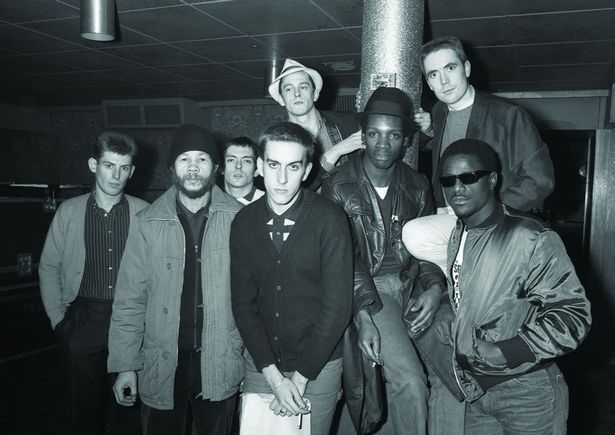
Oh yes, I used to go over to the south-east section of London every day, for a friend live there. And one day me daughter, one of me daughters say “Some people look fe you, man, and them call every day and them would really like to get in touch with you”, and so me seh yes. And one day when me deh-deh now an’ them call me an’ seh them look for me, for them woulda like me to join up with their band. So me tell them seh me no really join band, for when the band bruk up it’s like you come in the wilderness, y’know. So me practice me instrument an’ go about the show business an’ get to know people myself. But they convinced me it would be good to join them, OK? I decide fe join them an’ start the recording. I realised they like what I was playing, so they aksed me to join them. So I join them an’ play with them for two years. All over the place we go, man, Ireland, Scotland, Wales, Europe, America, y’know wha’ I mean. So after a while them bruk up, yunno.
I never witnessed the Specials in concert, but I saw a clip on TV the other day, and I saw you far away in the background there, and that crowd was totally wild, jumping all over the place.
Yeah, them was…
Just very aggressive, how did you find that? I find it very exhilarating, beca’ sometime you’re on the bandstand, people jus’ rush on the bandstand, ca’ I woulda say it’s a lively music.
Yes. And the crowd…
Very exalted. It’s like a revolution, the band was like a revolution. The crowd loved the band so much, man. And one time we go a Cambridge University, an’ we had trouble in Cambridge University. We had some fascists who came to the concert an’ some members of the band an’ them were fightin’, yunno.
The National Front? In Cambridge University, some fascist were saying somet’ing to the crowd an’ some of the members of the band went in the crowd an’ they had a fight. And the police were called an’ Jerry Dammers and Terry Hall was fined money, y’know wha’ I mean. It was a very, how I would a say, The Specials were one of the most prominent bands in Englan’, they used to draw the crowd. Lots of people used to follow that band, man.
You felt the appeal and the energy they had. Sometime them buck up on people that you don’t like, y’know, beca’ you still had the rascist set up. You still had the rascists come around and tryin’ to be friendly, but at heart they’re not really your friends, yunno. The musicians are communicating in their music an’ they’re seeking intelligence in the music. But sometime they would say something an’ the members an’ them would fight. Away from that I really enjoyed playing with them ca’ I was playing regular, you understan’. I really enjoyed playing with them, especially going to America an’ Europe, all over, Dublin an’ Belfast an’ Ireland an’ Wales, y’know. It was good, man.
But before you joined the Specials, you played for some time with a band called the Undivided (not to be confused with the Undivided Roots, a later band), one of the early UK reggae bands at the time. Matumbi’s Jah Bunny handled the drums in that group for example. It comes to the same thing again, that band wasn’t making any money.
Who played in that band? We had alto sax, we had tenor player, we had trumpet, we have bass, we have guitar, drums…
Jah Bunny on drums. Jah Bunny, yeah. Jah Bunny is the only one that keep going, eh?
Possibly so. Which is very good to know, an’ Jah Bunny is me friend as well.
Who released the album ‘That Man Is Forward’, I think it came out circa ’81?
Chrysalis, the ‘That Man Is Forward’ is Chrysalis Records, along with Jerry Dammers an’ most of the musicians in the band. Chrysalis was the one who bring that record out.
A major label, did they promote it at all? I don’t think… no, I don’t think they promote it in any places. I didn’t get much promotion with that, man. No. Only one I get a lickle promotion with was ‘Man From Wareika’, doing the tour with Bob Marley.
And after that Chrysalis album, when it failed to take off, you went down to Jamaica and stayed there for some eight years. Yeah man, beca’ the band break up.
And it was time to escape the English raining to some sunshine for a change. Yes, and before me go to Jamaica me do one recording with Paul Young, a song from Nicky Thomas, ‘Love Of The Common People’, and I think Paul Young made a hit out of it.
OK, pop stuff. Yes, and I did the solo in that. And when I was in Jamaica I used to hear it on the radio in Jamaica, but since I’m in Jamaica here nobody don’t even know is me who do the solo on that record. But it got regular play, it was regularly played on the radio.
So you have done some mainstream pop as well. That’s right. So me said to meself, seh ‘Me do plenty work with them man an’ them man waan…’ – the anxiety, the anxiety whe in a The Specials, it cause them fe break up. And they were very young people, them in a the twenties, me in a the forties, me cyaan wait around the people who so young an’ gigglin’, y’know wha’ I mean. So that is also a good experience.
So what did you do when you came down to Jamaica again for the first time in several years, since the ‘Wareika’ project? Clive (Chin) told me you did some work around 1983 in Joe Gibbs, and you had done some recordings for him at Randy’s studio in 1976 as well. Yeah, lickle t’ings, lickle t’ings.
And you continued to do some stuff for Clive at Joe Gibbs when you came down there I think. Nothing came out, the project is still unreleased. That’s right, lickle t’ings. Beca’ me an’… when me dung a Jamaica for all this long time, me never do nutten much, yunno. Most of the time I’m in Jamaica I was with me friends and we used to play music together, that’s all. We weren’t makin’ a living out of music in that sense.
So you went back and stayed up in Wareika Hills during those years? Yeah, most of my time I was in Wareika Hills, man. Yeah.
What was different when you went up there again, from how you knew it once upon a time? Well, what was different now is like, when I was in Jamaica in the early sixties now we used to play regularly in Wareika Hills, y’know, every day and every night. But when I go back in this time I realised they don’t play so much again. But the people still lived there but they don’t play music every day, they only play on Sundays, you understan’. That’s one of the t’ings that I see was very strange, they don’t play music until every Sunday. And the way how they fix up in Wareika Hill now, they flattened the place, like, they have the police an’ the soldiers build a camp up there. So it’s not as like… bushy, when we know it it used to be a bushy place, trees all over the place. The forces of law an’ order had brought down all those places to be flat, so everybody… it was different, it’s not like the first time.
But pretty much the… almost the same people living up there? Yeah, the same people – their children, the children. Yes.
I would like to know your relationship to Count Ossie, not much is said about him in these days. Well, Count Ossie was my very… whe yu a say, Count Ossie used to be my very good friend, man, Count Ossie. If I’m not there he’s not happy, he always likes me around. Even though Drummond was the best player, but he like to have me around. Beca’ he came from in the city, I came from west, and when he met me he liked me very much, man. Drummond was more popular up there than me, y’know wha’ I mean, and he was one of the ones who invited me to stay up there. So me a say, me an’ Ossie move good, man. And I remember his sons, me an’ him sons are very good friends.
Are they still up there at Wareika? I see one or two of them, one or two of them still in Jamaica and one or two of them still in America. But I was a very good friend of Count Ossie, very good. Count Ossie used to be a very nice man. Him always a… yeah, as a person, man, he’s very kind-hearted. A very good person. And nobody couldn’t trouble me, yu know what I mean, he was like my protector, him an’ Brevett folks an’ Big Boy an’ dem man deh. I was there and one of their best friends. Is not always I go up there, sometime I stay in the city. And if they don’t see me they will enquire for me, y’know wha’ I mean, so I was always with them.
So you mostly stayed away from recordings during that eight year stint in Jamaica.
No, no, me no do no recording or anyt’ing like that.
But then you decided to move back to England again, in the late eighties. No, no, some musician come from Switzerland gave Cedric Brooks a message for me, that time I think I was staying in America a little. And one day when I came back to Jamaica a friend of mine give me a ticket and give me a piece of note an’ a piece of paper an’ say to me, seh ‘These people want to take you to Switzerland’, so I said that’s good, yunno. So they were the ones who get me out of Jamaica, some musician from Switzerland. They call themselves The Heartbeat Band. They were the ones who send a ticket for me an’ I would come out of Jamaica, ca’ when you go out a Jamaica an’ you pay five hundred pound today, when you pay five hundred pound to come back, the next day it’s gone up, you understan’. So being down there so long I really didn’t have no money to come out again, OK? In other words, I wasn’t earning any money so I couldn’t find no money to come out the country, so… They were the friends who came to get me out of Jamaica, my Swiss friends. Up to today, up to yesterday one of them come here an’ look for me, up to yesterday one of them was right here talkin’.
I can’t remember the title, but I think the first album you did after coming back on English soil was an album for some Japanese people, for the Jove label, with drum machines and all that. Oh yes, yes, yes. ‘Rising In The East’, yeah. They have a record company, the Alpha record company. I think they want to book me again for this November, but I don’t think I will be able to go an’ play it, beca’ my regular work is with Jools Holland, yunno.
I did spot you on TV the other day, you were there in his horn section with that great orchestra at an outdoors jazz festival. Yeah? Oh God, I didn’t hear about that, thank you very much, man. Like you say to me now, I played the World Festival in Reading, and I went to a festival in June or July in California, and I was invited on the radio an’ the guy on the radio played me a record that I did, the World Festival in Reading in Englan’. I didn’t even know they have it on record, sah. It look like when you play for these festivals they record you, it’s jus’ like you say to me, yeah. And I don’t worry about those t’ings, these t’ings make people know you better.
How did the link to Jools come about? Well to be honest, I had my own band…
Jazz Jamaica? I had my own band at this time, and The Police, a group name The Police, they invited me to come an’ do a gig with them, in other words I’m supporting the Police on these concert, O33 concerts. That’s where I met Jools, man. That’s where I met Jools, at these concerts. He was supporting an artist with his piano playing, and that’s where I met him at Sting’s concert in the late eighties. So when I came back from Jamaica an’ played with a band name Jazz Jamaica, and Jazz Jamaica to me, everything wasn’t so clear with we. I thought they want fe use my name, ya hear me good? I think they were tryin’ fe use my name to big up themselves, and as the sufferer that I am I don’t want nobody to build up themselves off my name an’ what I have done for music. Yeah. So after I had been with them fe a lickle while I jus’ leave them, and then I called Jools’ office, an’ I say “You have any work fe me, sah?” And him sez “Ohh, yes man”. So from that I have been with Jools. Yeah.
And he treat you good? Oh God, man. The treatment, I have never been treated as good as any… I would say the best I have been treated in my musical career is by this man, Jools. He give you respec’, y’know wha’ I mean?
It took you more than forty years to be treated well… (Laughs) Ta raas claat, man! Eh? Yeah (much laughter). You say it good, man, you say it good. Like what I said to you previously, the sufferin’ that I’ve gone through playin’ this trombone, none of these fools will ever get over me. Yeah? None of these clever guys will ever get over me, because of sufferin’ I’ve become very intelligent, and because of that I realised that this person that I’m playin’ with now, he treats me the best. So what can I say?
The respect is there, obviously. Yes man, I feel very good with Jools. And I say this also to you, even though I’m with Jools’ band so long, people still book me to play for them, individually. OK? So I’ve always been respectful to him, seh “Jools, I have a gig on this an’ that date, is it OK, sah?” And he say OK, you understan’?
Right. For people book me all over the place, people book me in Japan, people book me in Brazil, people book me all over the world, an’ I still have my job with Jools. So that’s very good, yeah. It’s not as if I’m the only trombonist in the band, is four of us, yunno.
Right, a big section. Big band. So I always show my appreciation to him generally. Me no deh-deh fe count cow, me deh-deh fe drink milk. Eh?
Yes (chuckles). Yeah, yeah. So respec’ to him an’ his family an’ the musicians that I play along with, better respec’ fe them also for they’re professional.
What about one of the more recent projects, the album ‘Rico Meets Japan’? It came out some time ago, not sure when.
No, it’s this year it come out, man.
There’s another album called ‘Togetherness’ as well.
Yes, yes, yes. The Japanese people, they would like to have me in Japan all the time.
(Chuckles) They are some of my greatest fans, I cyaan believe it. Like when I was with The Specials, I had made contact with most of the promoters, and the people love me in Japan so much, man. I could make a living out of music over there. But it’s to show you again I appreciate Jools so much, I show him my appreciation that I stay with him. Ca’ I have never stayed with a band as long as that.
How long now, about ten years? Me deh with Jools about thirteen years, man.
Thirteen years? Wow. Thirteen years, yes. And other bands I have only stayed for a year or six months an’ come home. But this band I have been with it maybe thirteen years. So even though I’m with Jools’ band, Jools allows me to go an’ do other gigs, yunno.
What about this anthology, a double CD, for Trojan that came out a while back, ‘Trombone Man’, did you get compensated for this? They say to me that they realised that I’ve been in this business a long time that they will do this release an’ they will do so an’ so. No, I don’t write nutten down ‘pon a document, jus’ word of mouth. But they have to come forward with anything yet, so I don’t know… I jus’ leave them to their own concepts, yunno. Sayin’ something is one, but doing something is two different things.
Exactly. So, since they released that one they don’t tell me nutten yet.
It’s typical. Like whe I do a recordin’ with Count Ossie fe a record company in America name Moodie, ‘Rasta Vibration’. ‘Rasta Vibration’ something, and my friend go to America an’ bring back the album an’ show me the other day, me haven’t been paid, man.
Yeah, heard it before. And the guy’s releasin’ it in Miami, man. I haven’t been paid. So recently, when it comes to recording, I only gonna go to the studio with Jools Holland. When you record with Jools Holland in the studio, they give you a document at the same time and you sign it, OK? So where Jools Holland is concerned everything is upfront, y’know. The record companies with the record, they have nutten to give you, man.
The ‘Trombone Man’ album contains music with Duke Reid All Stars… Yeah, and they say them will give you some money, them no… I don’t know how long this been released, sah?
It came out about two years ago. Yes, them no give me nutten, sah. So I wonder if them wait fe me dead, eh? Them have a way in life…
No conscience. No! When you dead them talk a whole heap a t’ing ’bout you, y’know, an’ them tryin’ to be nice to you when you die. The dead man cyaan hear nutten!
Right. So these people are people who honour you when you’re dead, them don’t need the reality! They are a firm company, if them don’t doin’ good an’ t’ings doing bad, a next set of people will buy this company, a so it go! But I and I na goin’ mek them use me any more, no. That is finished where I’m concerned. And if them ask me to do a session with them, differently, them not goin’ to like what I’m gonna tell them. So, I’m off their list, complete. But I’m still hopin’ one day to hear from them what they’re doin’ about what they tell me. Word of mouth, they didn’t sign the documentation. Yeah.
They sure owe you some money. Yeah man, Trojan owe me some money.
They put a lot of different phases of your career on it, like Rico’s Combo. Yeah, when deh a Englan’ me play with a lot of musician a Englan’, and most of them musician them is retired, them no bother with it no more. Yeah, when we jus’ come a Englan’ me do a lotta recordings with a lot of different people. Yeah.
Here is Rico & The Rhythm Aces. That’s right, yeah.
And the Rudies.
Rico & The Rudies, yeah. We play with a lot of different group in a Englan’.
What became of the members of the Rudies? Some a them gone a Jamaica and some a them gone solo, and some a them retire.
I think it’s more or less the same band, the Rudies became Greyhound later on. Yeah, with Binns. They become Greyhound after. Yeah.
And there’s Joe Mansano, Joe’s All Stars. Yeah, all Joe Mansano deh now, Joe Mansano put him name ‘pon all dem music. A me play the trombone, yunno, an’ every tune ‘pon the CD, or ‘pon the LP, you see dem name ‘pon it. Is like the Moodies compositions whe we make for (Harry) Mudie, Rasta music with Count Ossie. Him don’t put who play the instrument, him jus’ put ‘Mudie’, you understan’. The producer, him have the money fe put him name ‘pon all them record.
There was Rico & Des All Stars as well. Yeah, Rico & Des All Stars. Yes.
What was that group again, Des All Stars? It was Dandy Livingstone’s group, basically? Yeah, yeah, yeah. Dandy Livingstone was the man who used to give me regular work in a Englan’, ‘Message To You, Rudy’, ‘Suzanne’, and ‘The Lion’. Yeah, me used to do regular recordin’ with Dandy Livingstone. Dandy use fe give me regular work.
What became of Dandy? Dandy? When me dung a Jamaica long, me run into him, man. A Jamaica him live, I see him down in Kingston. And him ask me how I get along, and me tell him seh, “Bwoy, me jus’ come a Jamaica fe a lickle while, yunno” And me in a no mood fe stay dung deh so long, but me stay dung deh so long, y’know wha’ I mean, beca’ the climate was good an’ I don’t have much responsibility…
OK (chuckles). Beca’ my family dem ‘ave them own place, we can stay with them, like. So it was a life with not much responsibility, like if you live in a Englan’ or America. The climate is good.
Definitely. And you can live, you can sleep anywhere. It’s not like Englan’ or America whe cold. So, I would say it was a time of whe you woulda call hardship, I enjoyed it. Beca’ I wasn’t workin’ so hard, I was takin’ it easy. I would say I relax very well in Jamaica within that time, no stress, jus’ naturality.
With some perspective, how do you look back on your career now? Yes, I accept my development musically, and first of all I keep in good shape, yunno, musically. The only thing, I didn’t get rich out of it. But at least I would say give thanks for life, I’m gettin’ to know more people each day an’ my telephone always keep ringin’ an’ I cannot cope with the amount of work that people want fe give me sometimes.
Not enough time. I’m workin’ with Jools regular an’ these people keep calling me fe give me gigs, sometime I cannot keep up with it. Beca’ it’s wha’ me say, the good people in life, like Jools Holland, you always feel good with him and you let him feel good with you. You no want to come out of it an’ mek people feel bad about what you doing, y’know. So I’m feeling very good with what I’m doing right now. And my development from Alpha, I always give thanks to Alpha, them give me the start musically.
I truly hope you could try and gather the cream of your output during the sixties and put it out on your own, so you can benefit in some way from that music. Yeah, yeah. People tell me that too, y’know, lots of people tell me that, sah.
Give it a try, if you can. OK.
That would be the most heart-warming, to know that this man will finally see some benefit for all that work. Even though they didn’t do their job properly as far as compensating him, Trojan did otherwise an excellent thing with the best compilation of Rico’s early work in ‘Trombone Man – Anthology 1961 – ’71’. But there is definitely more to collect. Hopefully our man at the ‘bone can gather what is remaining of his best early work on 45’s and put it out independently. And what about the record for Randy’s Clive Chin? May that project see the light of day. As for the obscure ‘Wareika Dub’, the companion to that most classic of classic albums, it is hardly the most adventurous of dub mixes you could wish to hear, but nonetheless an enjoyable album right through, if you could track down a copy… Mr Rodriguez’s distinguished career and long-standing contribution to the Jamaican music industry is nothing but a remarkable achievement considering the changes the music has seen over the years. Rico has been there like a monument, someone to lean on for that special timeless quality of old-time musicianship. He may not be with us much longer, physically, but Rico is immortal in his music. When others are forgotten he will still be talked about. If there will ever be a thing such as a ‘Reggae Hall of Fame’, Rico should be one of the first to be honoured a stone. Amen.