
https://www.reggaeville.com/artist-details/linval-thompson/news/view/interview-linval-thompson-still-moving-strong/
Rafael Konert & by Angus Taylor
Few artists have embodied reggae music’s fundamentals like singer and producer Linval Thompson. His mellow, mellifluous, almost mocking voice, set to heavy drum-and-bass, created a vibe that stands out among many of his more traditional song-crafting peers. His productions, usually recorded at Channel One studio using the Roots Radics band, are quite simply the finest examples of late 70s/early 80s roots reggae and proto-dancehall ever assembled.
His music aside, Linval Thompson is far from your typical Jamaican artist. Where lots of his contemporaries are big talkers, Linval is a soft-spoken man who has kept fairly quiet about his accomplishments. Despite producing only sporadically since the 1980s he has continued to earn a living licensing his considerable catalogue. His live shows are exemplary in their standards: his voice unchanged and his choice of band always top notch and rehearsed to perfection.
You’re the only person in your family who made music. What did your parents do for a living? What was the family business?
No, nobody, no. They used to own a mini supermarket. In New York they did domestic work, like a nurse’s aide and things like that.
What kind of music were you exposed to as a youth?
You had the ska. Like the Derrick Morgan, the Prince Buster, Delroy Wilson, Alton Ellis, John Holt and Dennis Brown.
How did you discover you had a voice and get interested in singing?
Well, I never said this before but when I was a youth, I used to keep dances. Like sound system, big sound and from there I kind of got into the music. I never said that before.
Which sound was it?
The sound was named Sir Percy. The sound came from in the downtown area. I kept that dance in my mother and father’s place in Crescent Road, Kingston 13 area. First time I said that.
Where did you start singing? Because you didn’t sing in church or in school competitions…
The only time I would sing was in my yard. In the yard I’d sing but that wasn’t really singing. I never really went to any place to sing then. Nothing like that.
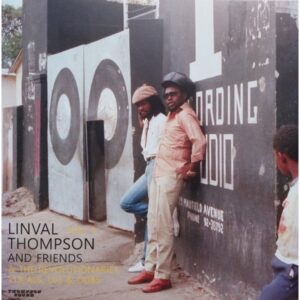
You moved to New York City with your parents because your parents wanted to take you away from dangerous influences. How did Jamaica compare with New York?
Well it was different. Because when I went there in Queens I started to make friends with Jamaicans, one or two or three or four. And when I remembered my friends that left me before for Jamaica to New York, I tried to find them. So it wasn’t violence like Jamaica at that time. Because in Jamaica you remember you had the political two sides that were going on before my time and it still was going on. So it was a problem. And I wasn’t thinking about music as a professional to do anything. I was just thinking to follow my friends doing different things that were not right.
Johnny Clarke was a good friend of yours when you were growing up. Did he spend time with you in New York and did he encourage you in your singing?
Johnny Clarke, yes, he was my friend from the same neighbourhood where we came from. He came out to New York because he was touring so he would always come to where I would stay. We never really talked about singing. He would just come to do his show but I don’t remember him encouraging me like that.
You recorded your first tune No Other Woman in New York City. Can you tell me a bit more about how you got to the studio and how it came about?
Well I never knew about where to find a studio. The same thing in Jamaica. I’ll tell you this. I never said this before because things are just coming back… Jacob Miller, we used to go to the same school. He said he was recording. I heard that he was recording songs so I asked him take me to the studio. It never happened but I heard that he went to… I think it’s Coxsone…
Yes, he went to Coxsone. He was meant to record on the riddim to Nanny Goat but Coxsone didn’t release it…
Right. And I said “I want to go, take me there, man” but it never happened. I never said that before, never, but that was the first time. We used to go to Melrose School, that’s long before going to America, with Jacob Miller. Johnny Clarke, I think he was singing but he wasn’t a hit yet. But me and Jacob Miller were more like that because we went to the same school. Me and Johnny Clarke never went to the same school. It’s through singing that I linked with Johnny Clarke. But it never happened. We never went to studio until when I went to America. My friend named Patrick Alley, you must know Patrick Alley, check to know a song that he sang. I’m trying to find him right now I can’t find him. I don’t know if he is around still but he is the first man who took me to Brooklyn and said “Here is the studio”. I don’t know if I remember the name… Art Craft? It was a white man studio and it was a nice official studio. It wasn’t like something like Tubby’s or Channel One. It was those big-time studios. And he introduced me to some musicians. The name was Buccaneers but I can’t remember who were the players, who played the bass, who played the drums, I don’t remember that. But I remember that Bunny Rugs was around there. No Third World.
Before Inner Circle or Third World.
I met him before he died and we talked about that. I said “Remember me man” and he said we could even do some production but we never made it work.
He was a nice person.
Yes man. He was always smiling.
I think we should talk about your first recordings in Jamaica…
The first one was for Keith Hudson and Stamma. Stamma was Keith Hudson’s good friend. He had the tapes for Keith Hudson and he heard my first song that I recorded in New York and I brought. I also pressed the song too. That’s the way I did it and people started to hear the song and say that I sounded good. So that’s the way I got confident now and said “Yes”. But when these producers heard me I never knew that they were big producers because I wasn’t in the business to know who was big and who was not big. And they said “Yes, we’re going to take you to the studio”. I said “Yes, no problem, I’m ready”.
The song Westbound Plane was recorded in Randy’s Studio. How were Randy’s vibes? Randy’s was one of the favourite studios back in those times…
Yes. For special artists, not for every artist. I went there with Bunny Lee but I don’t remember if that first song it was there we did it? Maybe it was there that we did the Stamma song. It had a good sound man. Big sound, professional thing in that time.
In the Rototom Reggae University you spoke with David Katz about recording Kung Fu Man for Lee Perry at the Black Ark Studio. You said Lee Perry came up with the Kung Fu lyrics. Lee Perry had a reputation for dancing in the studio, so was he acting out the Kung Fu moves?
He was making a move like “Huh! Ha!” Yes, because he got excited! We did two songs but I don’t remember the name. I think it was something like “Girl you’ve got to run, you’ve got to run” something like that. But I know we did two.
Where did you learn production skills?
I would say at King Tubbys. Right there. I had been there with Bunny Lee. We would sleep there. We would wake up there. Then after I started to do my thing with King Tubbys, do the production, so it’s got to be right there.
You were recording Rasta lyrics from early. How did Rasta come into your life?
Well I’ll tell you the truth, the Rasta it just happened. Like a miracle. Because I saw what’s going on around me, many Rasta in the ’70s, Rasta all over Jamaica. I saw that and that gave me a vibes and it just happened to me. That vibes.
For Bunny Lee you recorded Don’t Cut Off Your Dreadlocks and Long Long Dreadlocks. Later your label name was Strong Like Sampson. Was the story of Sampson significant?
You know, it was in the dance. When they would play a Linval Thompson, the selector, guys like I think maybe U-Roy, right in that time, they would say “Linval Thompson, strong like Sampson” and that’s the way it happened.
At the time that you sang Don’t Cut Off Your Dreadlocks were the police still trimming Rasta?
Yes man, I think so. Yes, the police never liked Rasta at that time. Everybody was against Rasta. That’s why when I sang that song it exploded. London was the same problem. Hit! The whole of London was Rasta and nobody was singing for Rasta. Remember it was pure Lovers Rock singing in London. I never forgot when I started to sing roots songs, the guys on the radio started to talk and write in the paper “Linval Thompson only sings about Rasta”. I never forgot until I had to change the style and start singing Lovers Rock. Yeah that’s why I started to sing Lovers Rock in London. I never forgot that talk.
Your second album I Love Marijuana was your self-produced album. Which studios did you record that album in? Was anyone helping you, like an engineer?
No nobody. I rented Channel One and I made the tracks. Then I went to Tubby’s and I rented Tubby’s. Many times, I couldn’t pay Tubby’s and I had to leave my tapes and said I would come back and pay. So when I left the tapes, Tubbs would use the tapes and sold specials. We didn’t call it dubs. We called it specials at that time. And the people who came from the country he would play the tracks and say “You want a special off of this?” And they would say “Yes”. And “Now we’re going to know whose song is a big song”. One more thing. Did you know I was the first man to sing a special? Well I want to prove it. Did you know I sang the first song for Tubby’s – Whip Them King Tubby’s? I just released it a couple of years ago. That was a Tubby track. I voiced it for Tubby’s. Tubby’s just played it for the sound. Whip Them King Tubby’s. Check it out and find it out for yourself.
As well as your career as a singer you also started producing different artists. Did your skills behind the microphone help you to become a good producer?
Yes, because when I listen to an artist, I know what I want. Because I see what the public is interested in. That’s the first move. And I see what’s going on in the ghetto. So I try to do what is going on with the youths. Some people just make music because… but I don’t just make it like that. I have to see the vibes and listen to the sound. The style and the lyrics and listen to truths and rights. I don’t write something but don’t mean it. That’s just in me.
Let’s talk about your experiences with Trojan Records as a distributor. You spent some time living in England for a while.
Well when I came to Trojan you had those big artists like Ken Boothe there. Some big-time producers and big-time singers were there. So I came as a little youth because they didn’t hear about me with Don’t Cut Off Your Dreadlocks. So when I came with I Love To Smoke Marijuana and a dub album named Negrea Love Dub and a Big Joe album named African Princess, those were the first three albums I made. I never had enough money but I used the tracks if you understand me? And you’ll never know this, but Gregory Isaacs was the first man who gave me a couple of rhythms. If you listen to that dub album, enough of those tracks are Gregory tracks. When he gave me those tracks, I voiced on the tracks at Tubby’s and then I made a dub out of it.
So they are African Museum rhythms?
Right. But enough people don’t know that. That’s the first time I said that.
Let’s go back to the Channel One days. At Channel One there were two bands: the Revolutionaries and then the Roots Radics came in the ’80s. You worked with both of them. What was the difference between them and which did you prefer?
I started to work with Sly and Robbie first. But when I started to work with the Roots Radics I just tried to have a different flavour, a different sound. And I noticed that the public really loved the Roots Radics’ style. So I kind of stayed with the Roots Radics. But Sly and Robbie had a different style. It was like for different kind of people. But my style was for people that dealt with the roots. Remember we were in England and they love that style. Because in England we used to base. You talked about dub.
As a producer how would you define dub?
Well when I came with the dub style it was exciting. Because Scientist says that it was him that made it happen. How could Scientist make it happen? And he never produced one tune. You tell me. How could Scientist make it happen? When we went to Tubby’s, Tubby’s was the first man who mixed I Love To Smoke Marijuana in dub style. Scientist wasn’t there. Where was Scientist? So I saw what Tubby’s did and I listened and I said “Yes, we want the same sound”. So when Scientist came long after we told him we wanted that style. We wanted that sound. Scientist never came to England. Scientist didn’t know what the English people want. I went to England and saw what they want. With that big “Bo!” “Slam!” “Bo!”. And then we made it happen. Scientist says it’s him that made it happen. He was working for Tubbs so we did need an engineer, right? We needed an engineer and Tubbs had him as an engineer. He says a different thing.
In a 2013 interview for United Reggae, Al Campbell said that he was the one behind your productions. He had the golden touch that made them hits.
(laughs) Okay, well you see everybody tries to say. So if he was the one why wasn’t he doing things for himself to make it happen then? Answer me! (laughs) Was he there when I was making Don’t Cut Off Your Dreadlocks? Ask him that. Was he there when I was making I Love To Smoke Marijuana? Was he there? I was hitting myself before I started to produce different artists. Am I wrong or right? Big Ship Sailing On The Ocean came long after when Freddie McGregor came to my house and he looked and he saw the ship. If I never had my house at that time the guys would say it’s their money buy my house! If you understand? So I always say it. I sing and I make it happen and I had everything before I started to produce. If you check back the record. I hired them. They never hired me. But you see everybody is looking for a big fame now. That’s the problem. But that’s no problem to me. I’m still making songs and it’s still working.
You recorded the last great album by Freddie McKay, Tribal Inna Yard released in 1984. He passed away in 1986. What kind of person was he?
Well I just knew that he could sing. I never really knew him for a long, long time. But just because I was making songs at Channel One, you know when a guy comes he wants money, so I tried to find the money. So that’s like they are ready to sing. Because without money those guys are not going to sing. That was the vibes there really.
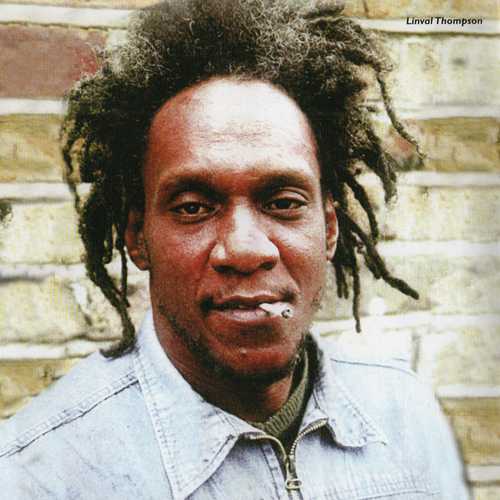
Interview : Linval Thompson “I never really expected I was going to do another album to tell you the truth”
https://unitedreggae.com/articles/n256/011209/interview-linval-thompson
Linval Thompson (born 1954, Kingston Jamaica) is one of reggae’s fundamental artists. Known for putting his ultra laidback voice and loose lyrics to heavy roots rhythms he has worked successfully as both a singer and a producer. Angus Taylor spoke to him by a roadside near his home in Stony Hill about his career, his new album, and never planning anything in life…
How did you decide to record your new album Ghetto Living?
Well when I record that new album, my son was the engineer. My 12 year old son Kevane Thompson so that’s how it is special for me. My 12 year old son recording Linval Thompson. And also he kind of helped me write some of the tracks there, gave me a little lyrics, some of his words, what he think, you know what I mean?
Which tracks did he help you write?
The track named Vanity. Also the track named Free Marijuana. So I kind of love this album especially for that one. Also, the vibes was right because I never really planned to make the album. It just happened you know what I mean? The vibration from The Father, the Almighty Creator, that vibe was what brought the album together.
Because it’s been a while since you did a solo album…
Yes, it’s been a very long time. I never really expected I was going to do another album to tell you the truth. So that’s another reason why this album is a special album for me.
What inspired the title Ghetto Living?
To tell you the truth I never really plan it! I just sing the track and the vibes say – you know – Ghetto Living. Right now things is really rough all over the world. And right now I feel the roots vibe in me – it never leave me. So it just happened. As I say I never really planned it. We never really said “right, that’s what we going to do” – it just happened. Things happen. The Father just make it happen.
You’re still using live instrumentation on this album. Is this something you believe in?
Yes yes. The live gives you a better vibes. A more positive – a more righteous – feeling. And everything is more… right vibes. No artificial things means positive vibes and make everything sound better. Drum rolling, guitar playing you know what I mean? Positive vibes.
You worked with the Handcart band from France and Jamaica…
Yes a mixture. We got more than one band playing on the tracks. We had some from France and some from Jamaica and also Canada – Dubmatix.
How did you start working with Dubmatix?
He linked me on the computer. On Myspace I think it was. Said he would like me to do a track for him. A track named Peace And Love about a year ago. That’s where it really started. On this album he worked on the track named Roots Princess.
You also worked with Fatis Burrell…
Fatis he is my neighbour. We live in the same area in Stony Hill. So he always link me because he would like to do some songs. So we get together and do a couple of tracks. The track name Hustling [Hustler] and the track named Empress.
I wanted to ask you about that track Empress because it uses the melody from the old Randy’s Dennis Brown track Cheater.
Yes. It was a Dennis Brown rhythm track so we just kind of change the lyrics. I tell Fatis about the rhythm and he make the rhythm. Then I decided to change the lyrics. He wanted to do the Dennis Brown track but then I decide to change the lyrics!
Tell us about working with Warrior King on Bad Boys.
Yes. That was me and my son Kevane. We record my part first and then we just think about how we wanted to make some different changes. Then we sent for Warrior King and he just change it a couple of days after.
Do you know him personally?
No no. He linked me. Those artists always want to link a veteran artist – a foundation artist – you know what I mean? He just meet me one day on the road and make a link. So I promise whenever I am doing something I can make a track with him.
Does this sort of thing happen to you often then?
Yeah. But it’s not so easy for me because some of these artists is not doing righteous things. It don’t really make sense. You’ve got to be righteous and positive. Right now you have a lot of artists who are good – like Warrior King, he’s good. You have an artist like Lutan Fyah. Jah Cure. Tarrus Riley. But it all depends if they are going to really stay with the righteous kind of music. Sometimes they make a change just because of money. And if you are in the roots I think you are supposed to really stick to the roots. You got to stick with the good things, not bad things. Not do things because of money. Money is not all. Some people sing songs for money and so they do bad lyrics. Unclean lyrics you know?
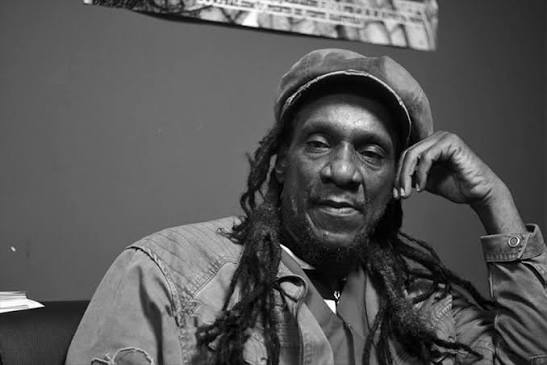
Speaking of tunes with good lyrics, Jah Is My Father is a very strong tune.
Yes yes! Bad track. It’s true. Once again the vibes was right and me and Kevane just sit down, play the track and just write it. And it just really happen because The Creator, The Almighty Father give me that vibes to write the track. Like everyday you have a different vibes you know? So me and my son the engineer we just sit down and voice, and then we voice again until we get it right.
Do you write your lyrics down before voicing or do you improvise?
We did write it first because we have a list on a piece of paper. We write it, then we make a demo and then we listen to that again and then we change anything that doesn’t sound right. So it takes a couple of days before we get it right. But we do write it first and as the vibes flow we get it down. We don’t really plan it – the vibes just coming – we just write and as we write the track we do a take of it. One take, two take, go back over and try to correct, make sure we have the right key, the right style, the lyrics – everything really blend.
You sing some lines from your own old classics on two songs – Cool Down Your Temper on Love Brother Love and Curfew on Free Marijuana.
Again it’s just the vibes. That vibes just came at that time. We have really tried to get it out on a level. We never wanted to go too far from the long time vibes. That is one thing I did really plan. I need that style [of the old tunes] and I don’t want to go too far into anything too different to make we lose the roots. But with lyrics from Curfew I never really plan it. The lyrics just go and the song just come. It’s like a police curfew. The police just surround the whole place just because we are smoking marijuana. So the curfew just come right there – Oh What A Curfew!
Has this ever happened to you?
Well it has never really happened to me but it has happened to many people. Police curfew in the place. The neighbour call police on you just because they smell the marijuana. They smell the ganja. So it must be your neighbour. When you chillin’ ‘pon the veranda, you understand? And that’s positive lyrics – that real! But my neighbours? No.
The reason I mentioned that track was because it was one of the rhythms on the album you produced Dub Landing Volume 1.
Yes, I remember we mixed it at King Tubbys studio and we use Scientist but I don’t really remember the actual tracks!
You have said in the past that your family was not musical. How did you become interested in music?
It was born in me. It born in me so automatically it just come out you know? My parents never have it but it born in me. And also I was always interested in doing music business. So the first thing I is I used to keep like a dance in Jamaica when I was a little boy. A dance like a sound system dance. I find myself doing that first at maybe 15-16. Then I went to America and I find myself doing singing. And I link up with Bunny Rugs [from Third World] in a band named Buccaneers in Brooklyn and from there I start to sing. I recorded my first recording there – just for myself. I produced it for myself.
So you were a producer from a young age too? Because most people probably thought you didn’t start producing until later.
Yes I was. That was really how I start.
You then worked with Phil Pratt on Jah Redder Than Red, Lee Perry on Kung Fu Man and with Bunny Lee with whom you cut many big tunes. Who did you enjoy working with the most?
(LAUGHS) I prefer Bunny Lee. The first song was Don’t Cut Off Your Dreadlocks. And he give you that vibe that even when you wrong he say, “you never wrong. It’s a style so let’s work on it”. And then he’d look at it and make it work. He make you relax, he never really get uncomfortable you know what I mean? Because not everybody give you the vibes. I just listen to rhythm tracks and take a little time to feel the vibes. And maybe he can give ideas until it works. And everything really happen from The Almighty Creator. Because without The Father nothing could happen.
As a producer you worked with a lot of singers, Al Campbell, Freddy McKay. Who was your favourite singer you produced?
(LAUGHS MORE) I worked with so many – trust me! Dennis Brown, Freddie McGregor, Barry Brown. I think all of them is cool. Because right now Barry Brown he give me a big hit. He gave a big hit song with Sade – they do a sample from my album track, Love Is What They Really Want and it sell over three million copies.
Which is your favourite of the albums you worked on?
I Love Marijuana. The album. That was my first album I produced. Big album.
You are going on a European tour. Tell us about that.
In February yeah. We are playing with two separate bands. I am going to Spain, Holland, Germany, France, Italy and Portugal.
Will you be playing in the UK?
No. (LAUGHS) I am planning to play there maybe in Summer.
You played a great show in Hackney a few years ago. With Junior Byles, Johnny Clarke…
Yes it was good. That is the kind of show I am looking to do. I am interested to do something like that again. So that’s why I am waiting to get the chance to do that sort of concert.
Are you still friends with Johnny?
Yes man! A long time friend. From when I was just singing the first hit songs for Bunny Lee. I still see him – not really a lot – but if I want I can find him yes. He lives in Papine.
How long have you been living in Stony Hill?
Since ’79. That was my first property. I am investing in property right now. Stony Hill is cool. It’s like more uptown. It give you a vibes. You have nuff trees, the weather is nice, nuff birds flying around. Yes man, the country is nice. Quiet. You have a pure vibe. A lot of trees give you a big nice vibes.
Since you don’t like to plan anything I guess there’s not much point in asking what’s coming next for you? Do you have a message for your fans?
(LAUGHS) I couldn’t tell you what’s next! But I can tell what is happening right now. I am trying to get the new album promoted a lot all over the world and do some shows to promote my concerts and my label and everything. And until anything happens I still give thanks. My message to my fans is I give thanks to each and everyone who love Linval Thompson. And keep on loving Linval Thompson and try to listen to the new Linval Thompson album Ghetto Living. It’s positive vibes. Jah bless each and every one
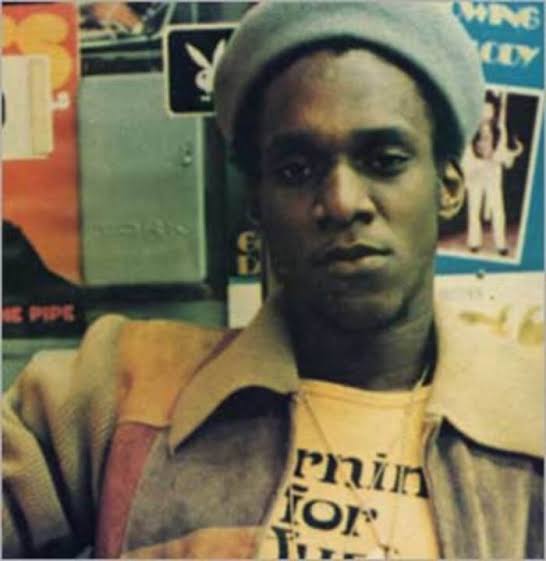
Linval Thompson interview “CAN’T STOP A NATTY DREAD“
https://www.reggae-vibes.com/articles/2019/01/linval-thompson-interview/
Like his childhood friend Johnny Clarke, Linval Thompson has meant a whole lot for the development in Jamaican roots music and the dancehall style alike, perhaps even more than what he gets credit for these days. Linval also set out to produce independently from an early stage, creating the Strong Like Sampson and Thompson Sound imprints for his own efforts and music by the happening and upcomings acts of the time such as Mystic Eyes, Big Joe, U Brown and Barrington Levy to name a few.
In fact, his role as producer got so successful that he – alongside his old friend Henry ‘Junjo’ Lawes (since deceased) – dominated the Jamaican dancehall scene for several years, utilizing the once so mighty Roots Radics sound for his sparse and heavy productions fondly remembered from those times. A Thompson production was looked upon as pure quality from start to finish, and now some twenty-three years after these glorious days in the producer seat, he can easily pick from a highly regarded catalog of eighties music which will continue to be in demand for reissues in many years to come. I hooked up with him while visiting Paris in May, 2004. Thanks to Mr Thompson for his time, Romain and Nicolas (Makasound), Robert Schoenfeld, Tim P, Donovan Phillips, Michael de Koningh, and Steve Barrow.
You’re born in Kingston, Linval? Yeah. Born in Kingston, yeah.
Where in the city? Well, it was Kingston 13, yunno. Then I really left off for New York in the early seventies.
What year was this? Well, it was about ’71. Yeah. ’71, for maybe about a year and a half.
What was the reason for that move again? Well, my parents was living in America and they really say I have to really come and join them, y’know. Ca’ I was a young boy, so you don’t know. You haffe do what the parents say, you know dem way deh? It was nutten I could do to help that.
Why did they move to America, they had relatives already staying there? Well, my parents lookin’ a better life, y’know. That was the first thing I think, yunno, that time I don’t really understand, y’know what I mean, what’s going on with them. But I figured that now, they was lookin’ a better life. So I did have to really go along after.
So in Jamaica you grew up with your grandparents then, or your aunt, for a period of time? No, no grandparents. My father used to live there, I live with my father. But my mother leave before us, and then we go after.
Right, just a couple of years after. Well, she was there a good lickle time still, but maybe about four or five years after we follow she. So I just go for maybe a year or so, a year or two.
Where specifically in Kingston was this area you grew up, like Denham Town or thereabouts? No, I think that is Waltham area, Waltham Park area, Kingston 13. The Waltham Park area. Yeah. We go to Maxfield Park school and we go to Melrose and then we go to Kingsway High School.
You hooked up with any of the schoolmates who became known in the music later on? Yeah, yeah. Yeah man, we have Jacob Miller used to go to same school with me, me and him used to up and down, like. Like lunchtime, come up a lunch, go back to school. And Johnny Clarke live in the same area, Chinna Smith go to the same school, Maxfield Park. Yeah. And we have some lickle more artists there, like Douglas Boothe.
Oh yes. Yeah, yeah. It’s longtime, but him kinda out of the business, but he was around too that time.
Do you know what happened to Douglas? Yeah! I see him sometime last year, I think he live in Canada. I see him. We was talking, ca’ him is my good friend. I think it’s Toronto, him come and go in Jamaica sometime.
OK. So how did you get acquainted in New York? Well, I tell you the truth, my focus was on music. I did have that vibes, a strong vibe that I want to do some music. You know, I was searchin’ for that. Searchin’ fe that, everywhere I go I was searchin’ fe that. So that was my focus, y’know.
Your family sang in church? No, I tell you the truth, they wasn’t really musical. None a dem. I think I is the one who get the blessing with music.
What stuff did you play at home? Play at home? Well, we used to play pans at night, dem way deh. All dem lickle tile deh (chuckles). You know? Tried to create some musical t’ing. Tried to make stageshows, sing outside, y’know what I mean? Go all bout and sing, and people come around and say yes, yes, yes! Yeah man, anywhere the music is, we go there and sing and create a vibes, I don’t talk the record yet. Yeah man, just like that.
It was in Queens, wasn’t it?So did you link with anybody as far as music goes while in New York, to enter it seriously? Well, in New York, me and Horace Andy used to…
It was in Queens, yeah. Me and Horace Andy used to link up…
Who? Horace? Me and Horace Andy, yeah.
Oh, so he was in New York during that time? Yes man, he was living there also, man. Yeah man, we link up and I formed a band and he used to come and we put on some shows and t’ing.
What was the band? That was my band.
Called what? Yes, it was my band. I used to get equipment from all over, them used equipment, yunno. And me and Horace Andy we formed, have a band and keep doing shows. Never forgot that, we was pickin’ about that last week too, me and Horace.
You recall the name of this band? (Chuckles) No. No, I never really think we… I don’t think we had a name really, for the band.
You gigged at small house parties and all that? Yeah, we doing that once or twice. I think we tried to plan some shows for ourselves.
What was the next step for you in New York, this is when you met this guy E.W Martin? Well Martin, yeah. He used to be a good friend, y’know. When he see I, I done my first song. He did hold a record store. So I did have to take my song to him to sell in the store. So when he see that he was kinda interested to go in the business, y’know, so he start to invest in one of the songs them.
He wasn’t involved in production before this? No, he never produce nutten before that, he just used to buy and sell record. He wasn’t producin’ nutten before that.
Was that the song you did with Bunny Rugs (of Third World fame)? No, Bunny Rugs, he did in a band, the band what we used he used to sing with that band, Buccaneers.
What was the link between you and Bunny over there? Well, you have a guy named… ahh, him sound like… oh gosh, I can’t remember his name! He sound like… him have a sound like John Holt. I think Mick Jagger did sing one of his song over, and I think he lose that case. I forget his name though, man.
Patrick Alley? Patrick Alley! Patrick Alley, he is the one I linked with first in America, and he introduce me how to go to the studio and get the band organised and all a that. He’s the one, Patrick Alley. Right. How you know ’bout this, man?
(Laughs) A bell rang. I’ve heard about that case. He’s the one, he is the one in music as a young artist in America that time. Yeah, he’s the one. And from there I find him, and I’m glad to find him, beca’ I want to also sing and record, y’know what I mean. So I have my lickle money, and he say yes, take me to the band, would rent the studio, and take me where I could get my label put together and all a that. And that’s the way everything start, just like that.
How was reggae in New York at that time? It wasn’t as strong as you could expect with all the Caribbean people already living there? Well (chuckles)… it was weak, y’know. Weak, weak. Bad, yunno. It was small, very, very small. But you know, when we see anybody in reggae, we glad. We glad, yunno. Yes, when we see a record shop, we glad!
You had one LP on his Clocktower label, ‘Six Babylon’ in 1977.You recall any prominent names on the New York scene at this time, like Brad (Osbourne) from the Clocktower label? Brad! Brad was… bwoy, he was the one that I think help reggae in America, trust me! Ca’ Brad is the one that I used to go to, and he loved the record, he loved the reggae. He tried, man. He put out the money and do everything, mek sure it press and everything, yunno. And he love my style. Yeah man! He is the one I think who maybe do something for me in America, Brad.
No, that was my album and I take it to him, and he kinda restructure it with some different tracks. Maybe we voice back a couple more, like two or three more tracks in America.
He did the basic remix. Yes, and we also voice it too, over there too. Changed the voice, everything. His style, y’know. He always have a style, yunno. So I think that’s what he do. And he tried to get it out in America, and then I always head for England after.
Before that now, what became of this tune with Bunny Rugs, which was like a duet, or him on backing vocals only. No, we never did a song together, yunno. We never did a song, but we meet in America, through the band, and we did have to use that band to make my record. And that’s the time I meet him, he wasn’t singer or nutten, but… like how you know him now as a singer, he wasn’t nutten like a name singer, just like a new man and trying to mek somet’ing happen.
What was the label for that tune (‘No Other Woman’)? What? Oh, my song? Oh yeah, I make up a label named ‘Elsa’.
‘Elsa’? Yeah.
You still have that recording? No.
Would like to hear that one, one day. Yeah well, I think, I dunno, I have a copy some place that I put down there. Yeah, I think so.
Then you went like back and forth between Jamaica and New York. Yes, back and forth, back and forth. Right.
What made you stay in Jamaica eventually? It was before you hooked up with Lee Perry or Bunny (Lee), or you had met one of them up in New York? Well, it’s like…
What I’ve heard is that Johnny Clarke encouraged you to try and stay for a longer period and approach the happening producers at the time. Well, I think all of that too. But you know, the music was happening in Jamaica, so I think it’s better I want fe be like a popular singer, I think if I stay in Jamaica that is also helping, y’know what I mean? So I think that’s the vibes, it’s better I start to base in Jamaica, so I can try to make some more songs. Producer can see you, and (get) interested that time really, y’know.
Was Phil Pratt the first producer you started to record for in Jamaica? How did it all happen when you went there? Well, what happen, I think I take back one of my song that I make in New York, and I think like guys hear the song, and they liked that style as a new artist coming up. That time you never have many new artists really in Jamaica, y’know what I mean. So when they hear a new sound, everybody get interested. So I think when they hear that new sound, they get excited. So they want to know me and they want to record me. So I think they have a guy named Stamma…
Stamma? Him, Stamma (Hobson). Stamma, I think he is the first one record me, ca’ he did have a song. Dennis Brown did have a song, was going on big in Jamaica that time named ‘Westbound Train’, and Stamma hear my style, and Stamma have a riddim track what he say him want me to sing on. I sing on the track, and that track kinda get popular around town in Orange Street area. So what he was trying to do was like a competition with Dennis Brown, you understan’ me? Yeah. And then Phil Pratt come in, and we start that day and we do a song, and it start from there. Then Lee Perry start and we all start there. Then Bunny Lee start and everything get big. You know what I mean? You have a new star come up now.
Right. What did you record with Pratt again? Yeah, a song named ‘Jah Jah Dreader Than Dread’.
Yeah, you did that one for yourself later on? Ohh, a whe yu know so!? Right, and we done it after (laughs)! You know, man (laughter)! Yeah. How you know that, man (chuckles)? Nuff people don’t know that! Yes, I did that for Phil Pratt first and then I redone it back for myself again. Yes! For real. Yeah.
Why do it again? You wasn’t satisfied with Pratt’s recording, or you just liked it and wanted to get a fresh update to it? I love that song. Loved that song, yes.
Wanted to update it. Yes, yes, yes! I loved my song, that’s right. Yeah, yeah.
I think he still press it. Yes, I press it back. Yes.
I mean Pratt has done a reissue of that tune. Yes, I think he must do that. Right. He must do that, yes.
And you did ‘Kung Fu Man’ at this time, for Perry. That’s for Lee Perry, yes.
That was the only recording you did for Perry? No. I think I do about maybe two songs.
How did you like the atmosphere at the Black Ark? Well, it was great, man. It was a big vibes.
Unusual if you were used to the ‘regular’ studios at least. Unusual style, everything, yunno. Yeah man, yeah man. Unusual. We never know how big it was, until now really.
That time it was just another studio, like? Yes, yes. At that time, yeah. Yeah, ca’ at that time you had King Tubby’s was the big studio really. King Tubby’s was a small studio wha’ you could a… if your money is not big, or whe you a young artist with not enough money, so you know King Tubby’s is the only one you could go and get the studio very cheap. But we no put the rent like on Lee Perry’s studio, we just haffe sing for him, for his own song. But after when I do my own t’ing, I have to go to like Tubby’s, ca’ it cheap. It never cost me no big money.
Suitable for your financial position, starting out small. Yes, right. So that’s why we always at King Tubby’s, trying to do some recording.
So these tunes for Pratt, Stamma and Perry were more or less just giving you a local name, nothing as far as hits? Which tune was the one that you got the break with? In Jamaica? Well, the tune that took off was ‘Don’t Cut Off Your Dreadlocks’, yunno.
Right, the one for Bunny Lee. Yes, that’s the tune that really make everybody know that they have a Linval Thompson, a new artist, all over England and all over America.
So what brought you to Bunny Lee? It was Johnny who took you there, or what was the circumstances? He was always interested in something new, untested so to speak? Yes, he had a lot of hits, but the only thing is he take long to voice me.
He had you waiting for long, huh? Yeah man, take long. I’ve been at the studio more than twice before I could voice.
How come? He wasn’t fully convinced? Well, maybe I’m new so maybe when you’re new you take a chance. So you know Johnny Clarke was going strong, he had Cornell Campbell, y’know, so you know that maybe he wouldn’t want to take a chance. I can wait, so that’s the way I see it. When my time come it was great.
You became the studio idler, always hanging out there? Yes, Johnny Clarke was my friend, so you know I’m glad to be there with him, waiting, y’know.
And Johnny was always pushing for you to get that chance for Bunny Lee? Yes, yes. He was cool, yeah man, ca’… no problem. Yeah man. Everything was… he was trying, pushing, yeah. All a that too, yeah.
I heard the musicians at that time dubbed you ‘Priest’ for some reason, remember that? ‘Priest’? Yeah.
Where did they get that from? Well that come from not in the music, but before I start an’ t’ing, yunno.
I come to think of the blaxplo movie, ‘Superfly’, the lead character (chuckles). Well, no. It wasn’t this, it wasn’t because of that. I don’t think so.
How did you find yourself among the Bunny Lee stable of artists? Yeah man, with Bunny Lee, him interested for me to do an album, y’know. When him come to New York he say I must come down back and mek we finish an album. So I did come down and I finish the album, and he release it in England, and it was going good.
Who took the distribution for that album in England, was that Shelly? I think it was Shelly, yunno. Third World Records, I think it was them, yeah. I think Trojan did put out the 45 too. I think so too, also.
So this album took you to a higher region so to speak? Well, I think Blood & Fire do a reissue of it right now, couple two years ago or three years ago.
You refer to the ‘Ride On Dreadlocks’ compilation? Right! It was the same ‘Don’t Cut Off Your Dreadlocks’, it add some more tracks on it.
Right, some 12″ versions on it to extend the album. Yes, some of my 12″-inch too, my personal songs he also add to it, like ‘Jah Guiding Star’. Yes.
Soon after that Bunny Lee album you entered self-production on a bigger scale, how did it work for you in the beginning? I did make some songs, but I never get it released. Yeah. After I sing a song named ‘Train To Zion’, that’s where I start my own t’ing.
How did it come about? Well, some guy approached me, some young guys to do some recording. So I sing the first song for them named ‘Train To Zion’. It was a hit, a very big hit after the Bunny Lee songs.
And that was Socialist Roots. Socialist Roots, right. Yeah. And then I get a couple of riddim from them, and I put an album together, but I never did get it released.
Oh, so you had like a full LP at that time? Yes, yes, yes. With some tracks, make up some tracks, but I never get it released. And then I think I…
Did you have a title for the album? No. No, it never have a title, no.
You still have the tracks stored, parked somewhere? Yeah! Yeah man.
That should come out. Not really. So it’s a fact that your second album never came out. Never heard about that.No (chuckles)? Not really, ca’ you know more time you have to pick the tracks them now, ca’ everything change, yunno. It have to be a tough track. To me some of my tracks them no really tough, so you know…
Right, the tracks deh never really come out on my behalf. You know, some of the tracks dem is on an album whe is coming out now on Makasound too.
You mean ‘Rocking Vibration’? Yeah, yeah, yeah. A couple of them tracks is on that.
On your own now, how did you wanna approach the production of the music, what do you look for, specifically? What did you hear different when working for others, what did you wanna achieve on your own that you felt restricted to when doing stuff for others? You participate a lot or you leave it to the musicians to conduct the process when recording, or you mainly take part when it’s getting mixed and so on? OK. Well, the first thing I do, when I go I have an intention what I want, what I’m looking for. So I have to listen and hear what they’re coming up with, and I say no, I want this style, or I want this to go this way. And when I hear it, I say yes, I like that. You understand? If I don’t hear it, I’m not gonna feel happy. So that’s it, y’know what I mean? I just don’t make it play what I don’t feel comfortable with, no. Ca’ even before I go I have an idea a’ready, what I’m looking for. And if you singin’ a song for me, I kinda know what I want before you even start to sing. So if you do something different, I say no, try it this way, or try it this style, y’know what I mean? I always do that, because like I have a vibes what I think. Maybe I don’t know everyt’ing, but I have an idea.
And this approach is not following the same model for everyone you work with, to identify with ‘your’ sound – how is it shaped, how would you describe it? Well, I think every artist have a style, and every artist should have a style, see. So right now, if I’m using three artists, I’m looking for three different styles. And the way how they sing, I listen the way to how they sing first, and I know what I want, from the way how they sing. And the type of lyrics, and how they put their lyrics before I say yes, I want that, that’s OK. They just don’t sing just like that, and I say yes/no. It’s what I feel.
You simply project your own… Yes. Yeah man, what I feel. Because you see, I do like a search, a research, what the public really need, and what the public really want, and what I think is right.
How do you do that, to keep yourself updated, it’s mainly about going to dances, or at least used to be? Well yes, listen the radio, listen the dance, and talk to more people, y’know what I mean, like overseas people. What selling, what not selling. Do a research. Like I come to France now, I’m glad to come, ca’ right now I just don’t come and do one t’ing, I come to listen what’s on the market. What different people need, what they like and what they don’t like. You know, I do a research on that. I think from there. Seen. Like I come now, I see that England is really not a big market again, it kinda come back to France. That’s what I see right away. So I see something is wrong right there, the business is changing. I see this right away, for ourselves. I see France have more younger youths trying to get into the reggae business, and they love the reggae more than England right now. Just like Jamaica is in the dancehall, not in the roots. So is many lickle t’ing you can see, y’know. But if you stay in one place you really can’t see it. And that’s what I look for.
You have to spread out. Right, right. That’s why I wouldn’t mind to come over in your country and see what’s happening for myself.
You had to keep on recording for others while heading into self-production, and one of my personal favourites from that mid seventies period is a track for Blackbeard, Zukie’s brother, titled ‘River Jordan’ (issued 1976), that is a remarkably strong track. I don’t think I did it for Blackbeard, maybe he have it that way.
It’s pressed on a Randy’s label, Roots From The Yard, but it credits Blackbeard with the production. It’s produced by Linval Thompson and given to Blackbeard to release it, that’s what the problem may be. I try to help people in that way, like how I help ‘Junjo’ Lawes and put his name on my record just to help him to make it, as they have him as the producer. But many people don’t know what’s happening. But ‘River Jordan’ is my tune.
OK. Yes.
And strong it is too. Very strong tune. I make it in New York, it wasn’t made in Jamaica neither.
Laid the vocals there, or the whole thing? Make the riddim track, voice it, everything.
Can you recall the band who laid the riddim for this tune? (Laughs) No! No, no. It’s some musician I see and I say well, I think they have a sound, I will have to try them and work with them. That’s why I say I try to do things my way, I don’t care who it is, as long as I can do it my way. It can work. There was no big musician, but it worked. And if I don’t tell you whe it make, you don’t know. So it make right in New York in a lickle studio, it wasn’t a big studio neither.
Still it has a very authentic ‘yard’ feel to it. A’right brother, I’m telling you now, I voiced it right in New York and I take it to Jamaica and get it released in Jamaica, ca’ the style was – if you really see in America, it wouldn’t go nowhere. So it’s released in Jamaica, and then now it automatically it’s everywhere. That was the style what’s going on. I think it stay the same way too now.
It’s a pretty obscure record by now, but to my surprise I found it reissued a couple of years ago in Canada. Yes! You know what? Somebody take it (chuckles). A guy that I know come to see me in Jamaica and press it, and I say, ‘What, do wha’ yu a do’. It’s not his tune, we don’t do a business neither. But I know him long time, and he used to be around us in Jamaica. I’ve forgot how he get the tune though, but I allowed him to press it. Yes, it reissued fe true. I see with it, I even have a copy of it.
‘Blood gonna roll like…’ ‘Roooll…’ – it’s two version of it, yunno. One for Bunny Lee and one for myself. The one that you have, it start (sings): ‘Roooll river Jordan…’.
Some hard-hitting lyrics too. Right!
‘If the rich man don’t try to help the poor man, blood gonna roll like river Jordan…’ Yeah, right. I sing that first for Bunny Lee, yunno. And then I go back and sing my own.
With lyrical contents like that you could be assured to be banned from airplay in that era. Don’t play. Right, those tune never play on the radio.
Some of the most militant songs you’ve done so far come from that period, with that one as a standout. And I think that tune ready to make over again, we can make it back right over again. Yeah man.
You hung out at Tubby’s and Channel One, mainly, in those days? That’s where we do all the songs them, really. No really hang out, but we go there to make songs.
I guess that’s where you got the links to the ‘cream of the crop’ among the musicians, to pick for your sessions. Meet up with artists and musicians, right.
I would like to know more about your business relationship to this Indian guy, Mr Rana, who ran the Burning Sounds imprint in the late seventies, in London. Yes (chuckles)!
He had something big going on back then, he had quite a big share of the British and European market, but then he vanished. What was he like to work with, as you had several albums on his label, three or four at least? Well yes, he was a new man coming in the business, right, so we kinda glad that somebody new come in the business, spendin’ some money with us. But it was no big money still, y’know. But he was giving like Trojan competition, ca’ he was there come up with some money in the business. He and my friend going, and he kinda ready to the business. He wasn’t kickin’ the songs them, anything we give him to put out, he’s interested, he’s ready to do it, ca’ he want to get into the reggae business. But after we hear he got bankrupt. When the taxman come in on him, he have to leave London. Everything go down like that, y’know, everything just go down, for us. He owe us money, everything.
You’ve heard what became of him later on? I think he went back to Ireland, something like that. He wasn’t an Englishman, yunno.
What was he like to deal with, in general? Well, we was trying to like…
Did he put any effort behind the promotion of his albums, the catalog in general? No really promote, no, I wouldn’t say that. But he try to get them released. You know, he no really hold them up, he try to get them out. Beca’ he always pay out a lickle advance, yunno. But we never really accept no royalty in that time, for real.
So there was no benefit in bigger terms for the albums you had for him? No, we no make no money. No, no.
But because he had them originally issued, and you didn’t put them out elsewhere at the time. No, we never really put them out back yet.
Nowadays these are pretty hard to obtain, even in the second hand racks. You had LP’s like ‘Love Is The Question, ‘Follow My Heart’, ‘I Love Jah’ and ‘Rocking Vibration’ – which one was the first you did for him? Ahh! I think it’s ‘Love Is The Question’, yea, it all that.
And then it was… ‘I Love Jah’, ‘If I Follow My Heart’ and…
‘Rocking Vibration’, now it’s out again, the only one of these records. Productive days for you. It seems you struck up a good deal with Burning Sounds judging from your productive schedule. (Chuckles) Yes, well, you know we get advance, we can turn it back over in our business, that’s what kinda help turn over back the money in the business, to do more business. I may be small, but we try to turn it back over, y’know. So we keep the business going. That’s really the main part a it, have something to keep going.
Apart from your solo albums, what was the other productions you did for his label? You had the Mystic Eyes LP for example? Yes.
Anthony Johnson was in that group. Yes, Anthony Johnson was the main singer, ’cause he kinda make the headline after. Ca’ we put him out as a solo artist. I is the first man who produce him.
With ‘Africa’? Yeah. No, we do the whole LP and we take off that track to release, through he had that sound as a lead artist also, by himself. So we try to make him be a solo artist also. We tried that and it work. I have many tracks with him that never release before still.
What about putting out that Mystic Eyes LP again, ‘Mysterious’? Yes, I have to do that too, also. Yeah.
I noticed you did a reissue of the ‘African Princess’ LP by Big Joe. I did press it myself from Jamaica, yeah.
Tell me a bit more about Big Joe, as he was pretty hot in the dancehalls back then, with ‘Dignity & Principle’, ‘In the Ghetto’, and all those tunes. Big Joe is the first man I produce, when I was producing. He is one of the first artists.
Yeah? Yeah.
Good deejay back then, he’s not getting the right credit nowadays. Good deejay with a style deh, cultural style.
He is hardly mentioned when speaking of foundation deejays, but he is better than the average deejays during those times as I see it. Nobody know him really.
You know what happened to him? Ahh! (Chuckles) I no really sure what… I no really sure what happened to him, trust me. I would like to see him too, ca’ I want to give him some money. I don’t know how to contact him, he’s never tried to contact me or nutten. I think maybe he die, I don’t know for sure for myself.
Hiding in the countryside, perhaps. Yes. But he was a cool man, man. Cool, yunno. I dunno, I never tried to get a link to him but I’m trying to find him also, y’know. Ca’ I would like to do some more work with him, and maybe he need some money too, y’know. Yeah man, ca’ that time we never really get no money. We just voice the album, I never forgot. Yeah man, yeah man.
What can you remember about someone like Ranking Dread, you did some tracks with him. Yes, we did that in America… in England. Well, he did want to record too, y’know, beca’ he see a lotta t’ing was going on with Thompson Sound, so he want to come on a Thompson Sound riddim track. So we did make him come and try the sound, in that time.
Exceptional voice, and so on. Good style! Yes.
But personally speaking, you had a headache there? Like a problem, man. Everybody have him that way from he pass, yunno. So that kinda mess him up too.
Would you confirm what happened to him, that he died from poisoning? Yes well, he die in prison, Jamaica. Yeah.
Many years ago. Yeah, yeah.
What was he like? Well, no problem. No, he was glad to record for us. I know him long time from Jamaica still, through my friend Tapper Zukie.
And Freddie McKay was another one you did some work with? Yea, Freddie McKay!
Kinda overlooked, unfortunately. Yeah. Underrated, good artist! I say that too. Underrated and a good artist, I don’t know why. All over! Beca’ if it hit some place, it never hit nowhere, y’know what I mean, as an artist. I’ve got some good songs with him, man. Roots, good songs. You ever hear any of my songs with him?
There is one selection on your Easy Star compilation, ‘Guide Us Jah’. OK. You have one song deh, yes.
He’s one of those names that tried and tried and tried, won the song festival a few times I think, but never really got the break he deserved. Ah, you know. Tried, try hard. Hard! I remember, I remember, man. He done some songs for me, a lotta songs.
You have enough tracks for an album with him? Yeah man.
Would love to hear that one of these days. (Chuckles)
Yeah. Maybe I think more about a artist compilation, y’know, make it stronger. But I’m thinkin’ about doing a lotta t’ings now, like doing some reissues in France here. Yeah, I think France is a good market right now. I think so.
What are you thinking about to pull out from your catalog at present? Well, right now I’m trying to have a Viceroys I think. I hope to get it out meself, CD.
You did produce an album with the Viceroys, yes. Two.
Two, right! Two, yeah.
One for Trojan and one for Clive Stanhope’s CSA label? Right.
‘We Must Unite’ and ‘Brethren & Sistren’, respectively. ‘We Must Unite’, right, right.
That’s a good release, should always be available. I think they’re coming, man.
How do you view the vintage market here in Europe, having been down in Jamaica for such a long time without travelling, it must be a pleasant surprise to see how the old music is still moving? It’s still moving. I’m surprised, right. Surprised. I don’t sell music in Jamaica, I sell overseas. Export.
When it comes to creating a song, what do you find the hardest part, creating the melody or put the lyrics together? I tell you the truth, I think the lyrics have to be powerful right now. That’s what get me scared sometime, with the lyrics. I know I can sing, but I can’t sing anything. Any or anything, it have to be special, trust me. Many people want me to sing many styles, but I can’t.
Listening to the Burning Sounds albums, sometimes I get the feel they were a bit rushed, with lyrics that recycle old themes and riddims not being up to standard, even though they certainly have their moments. But it’s a puzzle. I think you have a point, yunno. Well, you see I do it state by state. That time was a different state, y’know. If you listen back the Greensleeves record, you hear a difference, right.
Right. Wrong?
No, no. I think so. That’s why I’m interested to really put out those songs back. I think nuff a dem a go false lyrics, like. I think so.
There’s one track on the ‘Rocking Vibration’ using the same riddim as Niney’s ‘Sufferation’ with Tyrone Taylor, this was a relick you had, or Niney gave you another one of his mixes? Maybe that’s the way it go. Ca’ we was in England that time, when I voiced maybe three or four tracks, maybe I get riddim from Niney friend. It was Ras Coote (?), I dunno if you ever hear about him?
Yeah, he’s dead now? Right, right. Me and him used to spar in England, early. Ca’ maybe that’s the way it go fe true. Maybe you have a point there.
You moved basically to England in the late seventies? Yeah man! I was based in London, man. In a house there.
Then you came to a halt somewhat, at least you slowed down, and came back with the Roots Radics some years after. Big time slow down, yeah. Yes, yes, yes. Slowed down.
Then you focused more on being based in JA, working out of Channel One. You focused more on working with other artists than your own career? How come? (Chuckles) Well, you dunno, sometime it gets rough during that time. It get tough, all of that lyric, y’know: ‘Sometime it get rough, sometime it get tough…’. But you have to hold on, yeah, until it come your way again. Every day is not the same, y’know. Must be a change, you dunno, time change… even that time change.
What’s the hardest part being a producer? Is it boiling down to the gathering of the right people and then get them to listen, greedy labels overseas, ignorant artists, whatever? Yeah (laughs)! Problem artists! Well, first thing, you have to have your money, ca’ nobody gonna do nutten for free.
(Laughs) Obviously. And second, you gotta mek sure you’re getting a good song, so you can mek back some money. Ca’ so many time I have to release it, it’s not all the time a company gonna want it to put out, you understan’. Ca’ when I come with ‘Big Ship’ (Freddie McGregor), Greensleeves dem never like it, right. When I press it from Jamaica, that’s the time Greensleeves love it. So it’s many t’ings, you know what I mean? So you don’t have to depend on a company. If they don’t like it, no problem. You just spend your money and release it and tek it from there. So that’s the way I set up now, I don’t really have to depend on a company. The only problem may be I don’t have a big distribution deal to get it out worldwide. Well, if I did have that, it wouldn’t be no problem. That’s the only t’ing can get me ‘fraid when I press, maybe I don’t sell enough fe cover back the expense. If I do have a good distribution company, like in France, no problem. I know it’s gonna sell, as long as it come out, whe you have to have distribution company to get it worldwide out. And that’s what I think I wanna try next right now in France. I also have a Eek A Mouse album, that I record about three years ago with him in California, and I also have many more t’ings that I have done, and I want to get it out. Maybe on Thompson Sound, distributed from France.
So you try to establish a French branch of your Thompson Sound label now? Well yes, through Makasound. Makasound have many distribution company, what they work with. So I think maybe I’m interested to work that way. Maybe in a next couple of months to put some LP together, we have three album, and tek it from there.
You must have a room full of masters at home (chuckles)? Yes. Maybe not even a room, maybe a garage, a car garage.
(Laughs) Right, keep them cool, in a cooler place. Yes. And same time we have to get them transferred back again.
That would be my next question, how you store them, to keep them from getting destroyed while aging year by year? Yes. Well, I get some destroyed also, some Horace Andy tape. I lose them and the voice gone and the riddim tracks kinda get the… I no talk ’bout it, y’know. And I lose tapes too, I lose tapes from early out, offa Dennis Brown master. People maybe thief it from me, stealing behind my back in the early days, you know in that early time, I lose many tracks too. I find back the tapes, maybe like the songs but the master tape, yunno, some a dem I kinda lose up. And now still I have to transfer, each time I go fe transfer maybe six or eight or nine tapes over to new tape, to get back the original.
To DAT? Not DAT, we put it to a next master. So I have to do that nuff times too. Ca’ when I do a set, a next set will do on a next set, yunno, and all a that. Even to keep the riddim tracks them, to have a lotta tracks whe I can voice artists off the tracks them, to keep back that roots sound. Ca’ that’s important.
Two of your finest moments as producer in the early dancehall era, it must be the ‘Wailing’ album with the Wailing Souls which Junjo put on the Jah Guidance label. That was my… it don’t come out on Junjo.
I think it was out on Jah Guidance at the time. Oh, from America? Is VP label, it’s not really Junjo’s label, y’know. Is VP label.
OK, so Jah Guidance is basically VP, I thought it was Junjo. Yes, is VP really own it. You know, but through maybe they put out a lotta Junjo song on it, is not really Junjo label, is VP.
I picked up a reissue of that album several years ago on the Volcano label, which is Junjo’s. It’s on Trojan now too. Volcano is Junjo label now from Jamaica.
That’s the label I have on it anyway. On my album?
Yep. I never know that. A whe yu buy it?
I picked it up some ten to twelve years ago, maybe through someone in Germany. I was surprised to see the Volcano imprint for that one too. Ten years ago? That’s the Wailing Soul album, right?
Yes, ‘Wailing’. Uh, don’t remember that.
Vocal groups was beginning to fade out in that era when you did those Viceroys, Wailing Souls and Meditations albums. Harmony groups had the last big era during that time, you felt that as well. Who that? Yes, yes.
They didn’t sell much in JA though? No, after. Right.
Another great recording is ‘No More Friend’. OK, Meditations. That’s not on CD as yet, you ever see that on CD?
It’s out on CD now, yes. It’s been out for quite a while now. You recall those sessions? This is an exceptionally strong album. Yes well, we booked the studio and we know that we’re gonna work on an album, so we come in more than once and lay some tracks.
The link-up between you and the Meditations, was this on suggestion from Greensleeves, or you presented them with the idea? No, just me. Just me. It’s me hear that, and just knowing that these have a sound, and ask them if them meant to do some business, yunno. And they say yes, and me a pay them advance and we start to work. And I take it to Greensleeves and they’re interested.
What about Scientist? Well, we make Scientist, yunno. We make Scientist. Well, if we wasn’t, you’d never hear about Scientist. If you remember, if we wasn’t for Scientist when before, if you remember, we make Scientist. Tell him what to do, they way how me want the mix, and maybe he kinda… like he always try to improve. Make a different improvement, try different sound. And when we hear the sound we say yeah. We say yes, and it just happened like that. It’s not like Scientist just come and… you know?
You have a vast catalog of stuff, a lot of it I suppose is still unreleased. I know for instance you sit on a Horace Martin album that never came out. Yeah, I forgot that (laughs)!
Why was some of these recordings held back at the time, if you could specify that? Finances, or you just felt this won’t break the market? But I would hardly believe it’s all that bad, what you have in the can (chuckles)? No, right. Right. Never so strong, that’s the problem. I and Horace Andy come in too, ca’ sometime if I don’t have enough tracks, I like go around and buy tracks from different guys who have maybe a couple tracks too, I do all a that, yunno. But I have tracks there, and maybe I can reach up back some tracks again, and all a that. But if it’s not strong, y’know what I mean, I don’t think Horace Martin is so strong neither. I think maybe I can use maybe a compilation, some tracks or so. I have Roman Stewart, never come out before. Many more tracks, Rod Taylor, Anthony Johnson, Horace Andy, Tristan Palma, Little John, Freddie McKay, y’know. Some King Kong, I don’t remember back all a them tracks deh. And some artists too, Hell & Fire.
After you had the creative peak between, say, ’79 to ’84, how come you withdrew from the whole scene, more or less anyway? (Chuckles) I think… I tell you why. Maybe because we wasn’t putting out nuff issue for release, y’know what I mean, maybe the time was that kinda t’ing too, that was the main t’ing too, yunno. We was depending on Greensleeves to give we that promotionwise, distribute out, y’know. That’s the main t’ing, and it was kinda doing different business with different artists and different producers. So that’s one of the main t’ing.
Another reason is, probably, that you’re not too fond of the computerized sound that took hold at this time. Well, that’s the most… that’s one too. That’s one too, I never really a fond of that. I never really go so, that’s not my style.