
https://www.reggae-vibes.com/articles/2025/02/mikey-dread-conscious-dread-the-interview/
https://magazine.waxpoetics.com/connections/the-island/article/mikey-dread-plugged-in/
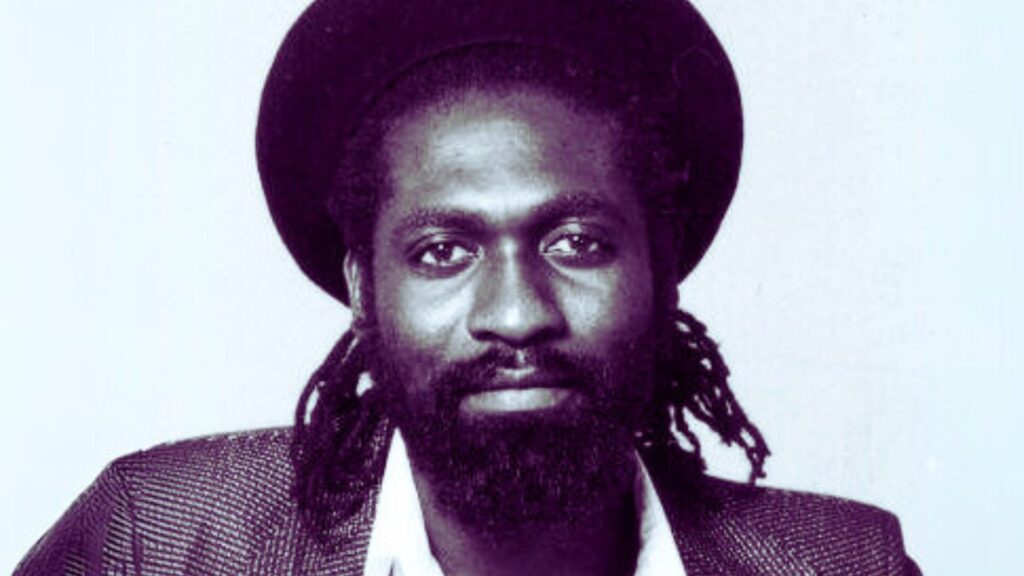
Mikey Dread (born Michael Campbell in 1954, Port Antonio, Jamaica, died March 15, 2008 in Stamford, Connecticut, US) came to prominence in the ’70s with his weekly radio show on JBC (Jamaican Broadcasting Company) where he had a four hour show called Dread At The Controls.
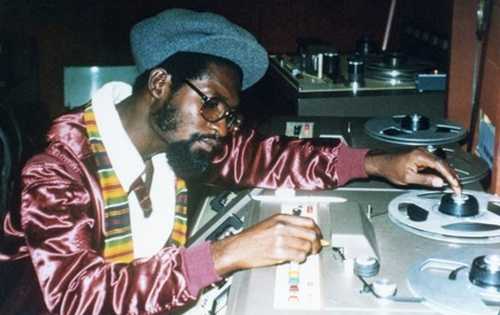
Mikey Dread’s avid interest in reggae music led him to acquire an immense collection of crucial vinyl which he used to gain notoriety as a young DJ and audio engineer with the Jamaica Broadcasting Corporation (JBC) where he began his broadcasting career in 1976. There he developed his own unique broadcasting style, which has been adopted by virtually every reggae radio show in Jamaica and the world today. His radio show, which became known as “Dread at the Controls,” was firmly established as the ‘Number One Radio Show’ in Jamaica. Mikey Dread was awarded “Top Radio Personality of the Year in 1977-1978.”
It was groundbreaking in that he not only played Jamaican music (something that wasn’t common at all those times) but also the hottest new singles in just matters of days and often hours after they were pressed. Mikey Dread also paid tribute to the music roots and would often play the original cuts of rhythms that were popular at the dancehalls of the time. Also as groundbreaking was Mikey Dread jingles that he recorded at King Tubby’s studio.
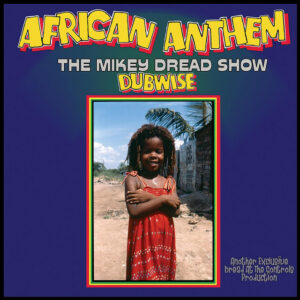
He recorded several Top 10-reggae singles in 1978 and produced his first albums “Dread at the Controls” (Trojan Records-London) and “African Anthem” (A Special Edition from Jamaica’s radio program for Cruise Records-UK).
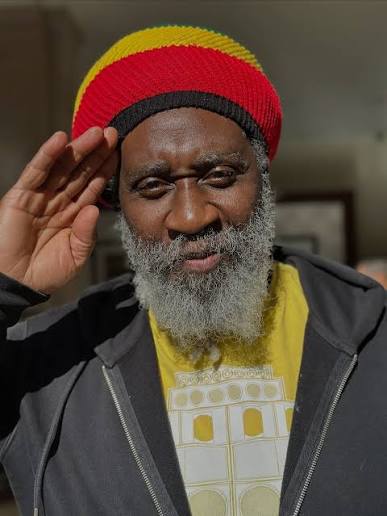
In 1979 Mikey Dread performed live at Reggae Sunsplash in Jamaica along with other featured artists including Bob Marley, Jimmy Cliff, Inner Circle, and Third World.
In 1979 he stopped to play at the radio station since Mikey had tired of the constant troubles surrounding the show at the station.
After leaving JBC Mikey Dread was employed at Treasure Isle as an engineer. Soon enough he started producing music himself and by the end of the year he had launched his own label, Dread At The Controls.
Mikey Dread decided to expand his career by getting more involved in the actual production of not only his own music, but also the work of others such as Sugar Minott, Junior Murvin, Earl Sixteen, Wally Bucker, The Ovationz, Sunshine, Jah Grundy and Rod Taylor. It was then that his activities attracted the attention of The Clash, who asked him to work with them. While working with The Clash he released his third album called “World War III” (1980). “World War III” became instant success and held the number one position on the British Reggae Charts. To this day “Word War III” has been considered one of the top Reggae albums of all time. The “Breakdown the Walls” single from this album was used in the soundtrack for the movie “Walcott,” a British Television Movie Series aired on Central TV, London, ITV Network.
Perhaps Mikey Dread’s work with The Clash has garnered him with the most recognition, but his credentials and resume started long before his eye-opening production on several releases with the renowned punk stars from London. His work and interaction with The Clash was a significant event in the integration of reggae into popular music throughout the world.
Mikey Dread has produced and collaborated with the Clash on their most famous album “Sandinista” on songs like “One More Time,” “One More Dub,” “If Music Could Talk,” Living in Fame” and “Shepherd’s Delight.”
In 1982, following the success with The Clash, UB40 invited Mikey Dread to tour with them. He made several live appearances and performancesin the UK on BBC and Sky TV Music Box.
He was born Michael Campbell in Port Antonio in 1954 on Jamaica’s northeast coast, where his mother came from. But as noted in the autobiographical “Dread Combination,” his father hailed from further west, so he spent formative years in Negril, returning to Port Antonio at the age of twelve.
“Inna those days, people don’t have no one job unless you are Chinese or some business people,” Mikey said of his parents’ vocations. “Everybody else had to do multiple things to survive.
Mikey’s enduring love of music began at a young age, and an early aptitude for electronics saw him running the radio station at Titchfield High School, then the only school in Jamaica awarded a broadcasting license. Campbell moved to Kingston during the mid-1970s to study electrical engineering at the University of the West Indies.
“Me go to town when I-man go to a college, the College of Arts, Science, and Technology,” he explained. “Me live in Mona,(2) because me have to board, so me have to find somewhere close to school—you are on a student loan, and you no have no transport, so you need to be near school. The farther you are from school, the cheaper it is, but the bus ride is questionable. My brother used to live in town, but he a live fi him life, and I live my college life.”
“Me live with me parents down in Negril for a while, and that’s how I really grew up,”
“It’s from while I was in Negril that my interest kind of materialized for electronics, and make me become very aware about the power of electricity and communication. Then me just go back a Port Antonio without any friends, and me have to just go straight inna school, where me don’t know nobody. Me start play radio station at Titchfield High School, because we had a license, so we had, like, a five-mile radius for the radio station. Me run it, like when we’re in class—we just put on a LP, and we have a [record] changer, so when one LP done, it drop down, and the next one start play. And we used to jam the [other] radio [station frequencies], because the rich people carry their kids to school driving in the car, listening to RJR.(1) So what me do, me just change our frequency to RJR, so if they come within five miles of the radio station, your radio just switch to me; when you ride into school and you hear some rub-a-dub inna the morning, you wonder what’s going on.
Everybody knew me and this dude named Jeff; there was two of us in school that used to MC all the school functions and concerts, because we wanted to get into broadcasting, so we were the two people who always do them kind of thing there. The only difference with me now is, like, me always perform a tune as well, like a Big Youth tune, ‘S.90 Skank,’ or something else that current.”
How you started with music?
Well I started out with a sound system called Safari in North Eastern side of Jamaica. From schooldays I definitely like reggae music. So we usually play out, no big thing not a popular sound. Just a little thing between youth and youth. Then after I go to college, I had this idea. When I listen to radio, the DJ only promote himself. Them naw really think about the people who make the music.
“Me a go school while me a play sound,”
“Me inna me teens when me a play sound, because after me go Port Antonio, overnight, I start to get my head together. I was a student always into the sciences and mathematics and physics, so you find because of what I wanted to do, I lead meself to that, and I go a library and read a whole heap of stuff, just out of curiosity. And me develop a certain love for broadcasting later on in life with the sound-system thing. My friend Howie work for the telephone company and him know electronics, so him always have some sound, and we play the sound anywhere—I don’t see back my house for weeks. They never want us to leave, just give me a house and food and everything, ’cause me a play some dangerous tune, like ‘Satisfaction’ by Carl Dawkins, and ‘Tell Her You Be Sorry’ by Freddie McKay.”
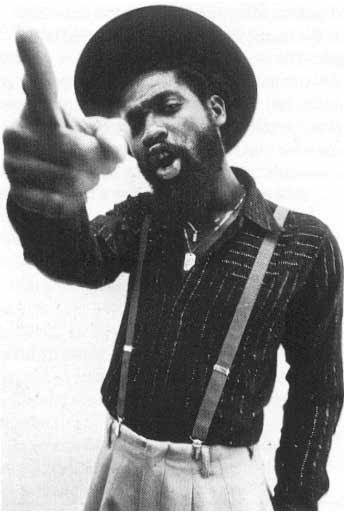
Who were the DJs then Mikey? Jeff Dixon, Winston Barnes, Winston Williams.
But they wasn’t really interested in reggae? They play reggae, but they was just doing a job. And when you are just doing a job, you’re doing a job, you know. When I start work I made me do a different thing. I get to know a whole heap of man in the music. I travel round the studios, and if I hear a good selection, I might get it upon tape or a dub. I man usually move around with Tubby’s a lot. I get a lot of inspiration and Tubby’s is who encourage I still. Like one day I went down there to make a jingle. ‘The Dread You Have To Love’ and he say (Tubby) “Why you sound like a DJ, you should finish it off, and make it into a record, and release it.” Like I just play it on the radio on my programme. And man start to ask for it. And Tubby said what happen, “Dread come do a next tune.” At that time DJ music was not popular. If you DJ tune, you was like an outcast. As far as the people at JBC were concerned.”
They have always seemed to be against the deejay even from the days of U Roy. Seen, because when I work for JBC the 12″ just start to come out. After the singing, the deejay come after, and the library know when the DJ come in, so they a crayon and draw around the part the deejay come in, and say do not play below this line – never, never ever play a deejay tune… never. I man say it can’t work, seen. So I play the disco all the way through.
How about now? It’s the man behind it. The way they see it. They are only doing them job. Them naw build up anything cultural in Jamaica to boost up the record industry or encourage the youth to make music. Even now they can’t go into the library to play any selection that I man usually play, because them no catalogue, them just sling down all over. If you don’t know them, you can’t play them. So the DJ they try and bring off a sound where they appeal to girls. So they play the sound that the girls them like. When I start play rockers, the brethren, tell me “Pure Man listen to your program”. I man make it open, make a man feel welcome and share it, and them man encourage I still. So even now we still move close, I man not forget I past.
How long did your shows last?
Four and half hours, from midnight to 4.30. Every week you have hundreds of new tunes, so I give each man a chance. Tune I make popular is Gregory Isaacs ‘Soon Forward, U Brown ‘Weatherman Skank’ and ‘Uptown Top Ranking’ by Althea and Donna. I go down Joe Gibbs and hear it on tape and say run it off.
“School children all over Jamaica are always fascinated by how they hear people on the radio, how they hear music play,”
“I was supposed to be a trainee for a while, which was ironic,” he said, “because in Jamaica, within them time there, there was a lot of prejudism because of how black your skin is. So that force man like me, who is well Black, to really excel inna whatever I-man doing in terms of academics. Me can see a next youth, through his father [who] is Chinese—they will say he can get a job at the airport, but me must work inna one sugar factory. Me still have that vibes about me, and me no like how life treat certain people. My job was to go to JBC and learn, so me learn from some of the pros at the time, and it was supposed to be six months before I go into the field as a transmitter engineer, but, within six months, I realized that I can take this to a next level. Number one, on the town, I don’t have a lot of friends to hang out with on weekends, so my nights are free. Number two, JBC sign off at midnight, and I feel the kids from school were up studying until late night, so we wanted something to keep us company on campus: some man a play some U-Roy tapes, some man a play some Tippertone tapes, some man a play some Tubby’s tape. It’s like every man a listen to some rahtid thing, so when me leave, me done tell them man long time ’pon campus me going to go down and go change this, and me really humble myself and learn the ropes. And me tell Ossie Harvey and another man named Mr. Linton, why them never go twenty-four hours? Them say, ‘Boy, nobody listen to the radio after twelve o’clock.’ So, through me’s a country man, me tell them I would like to do a little thing a nighttime, and them say, ‘We’re going to give you this thing, because we like what you’re doing, but you would have to come a work on Saturday night too.’ I normally would have two days off, Saturday and Sunday, work Monday to Friday, but they said, ‘If you can dedicate every Saturday to this, then me give it to you.’ So me take it, but me had to give up a day off. Now and I only have Monday off, so now me just choose fi just work. And me and a girl named Freddy Rodriguez always do a little program; she used to be the announcer, and she was a nice, sexy announcer. So the JBC thing develop, and then Freddy Rodriguez, me and her would select from what the library had. And she would have other music she want to play, but when she left, I just bring in my record box and my dub plate. From I did my research from college, me already knew all of them man who saying anything in reggae. Me know where to locate every man, and me know what them a deal with.”
“Me do a nice LP for Scratch,” Mikey insisted. “Scratch was one of my heroes too, because there was a song by Scratch I used to play on Radio Titchfield called ‘Blackboard Jungle,’ and ‘Cloak and Dagger Dub.’ That draw me to Scratch, but me never really meet Scratch until after me meet up with the Congos and start play a lot of Scratch music on my radio show. And Scratch make some exclusive dubs, some Bob Marley remix and some specials, like ‘Row Fisherman,’ most of the Congos tunes. And then me and Scratch start doing some recording together. After a while, me just start play a whole heap of Lee Perry everywhere, every time. And Scratch was always cool with me. Scratch is magical at what he does—Scratch would be standing, or he’d just be leaning up on a high stool, but Scratch is not an engineer that sit down on the left-hand side of the board, stretching towards the right-hand side. Scratch is all over the board, skanking and doing him likkle things with him echo and extra special effects. Whereas Tubby would have somebody else mixing, like Jammy. You could only get Tubby to mix on certain projects, if he feel like it. And Scratch get the best of Mikey Dread. Me make some tune with him when me really fresh, because every morning me leave JBC and reach home by six o’clock, and Lee Perry’s there, at my home. And him gone with me for the whole day until it’s time for me to go back and work the night. Him get a lot of good things, because him always have some great ideas. And me and him never had a problem, because the man is a genius, and I could recognize it, because I come from a different academic school.”
When I was on the radio, I was a VIP in big, bold capitals,” he emphasized, “because the people recognize that I am the man defending the culture of the country. And I move it to every house and every car and everywhere. Bob Marley a take the music to the people on tour, but at home, I was the one running things through the media, and the media take it to the world. If Jamaica was still fighting against the music, only a few reggae [acts] would escape outside of that. So me started from the foundation, and make sure when it lick that transmitter, that sound gone! To Cuba, Trinidad, and everywhere. When me travel and me meet people, they say, ‘Boy, we always a listen your radio.’ Me never know the radio a lick down a Trinidad and all over the Caribbean late night, because late night they have the best reception. Me and the other DJs on the rest of the stations at nighttime were the ones the people could listen to, so my job and my whole kinetic intervention in the whole reggae thing is to spread it globally, by the transmission of the energy, seen?”
At this point Prince Hammer, who’s present along with Ashanti Roy and Trevor Bow, speaks up to claim ‘Uptown Top Ranking’ as his own. I do the first version, Joe Gibbs listen to my tape, make them do a version.
Ehh, utters Mikey.
Hammer continues. They do a version of my ‘Dreadlock Thing Carrry The Swing’.
I Remember that one, replies Mikey.
They put them on my version first, but then they take them off, says Hammer.
Awoaah, Mikey cries, and returns to the story of JBC. I man love versions, love to play twenty piece of a tune, just to see how ideas can change. To hear how different man can hear different thing on the same tune. I love engineering still, I man love electronics. I man love sound. So it’s like I try develop them things. Read up a whole heap of books about it and study it up learn how things go on. Then start producing little by little.
The Mikey Dread label, the Dread At The Control label, a lot of the pressings that came over here came from Miami. Was that your idea to get better quality? I usually use a place called Federal Records right, and their relatives had a place called Roots Music, which operate out of Miami. So most of the songs that I release through Federal get released in Miami.
Where is your music recorded now in Jamaica – Channel One? Yes, work out at Channel One and voice and mix at Aquarius. Them more professional than Channel One. When you work at Channel One the engineer don’t even write up a track sheet. I go down there to record and overdub and Scientist just make a mess of all of my work. He don’t write up a track sheet. And when I want to put on horns and things pon my tune, he rub off all damn thing pon it.
The thought of it seems to make Mikey even angrier. Them just eager for money, Channel One no deal with discipline. Them not progressing.
Most reggae fans will be surprised at what you are saying Mikey. Mikey goes on to tell me that another problem is the lack of opportunity for musicians in Jamaica.
They don’t get a chance – most producers want to make quick move. England have a thing now where them to trendy. They want something new all the time, naw stick to nothing. If you deal with a message tune, a tune that deal with truths and rights, right now it won’t reach nowhere. The youth that really penetrate, them naw hear it. Them play pure gimmicks, so it’s reggae coming like a gimmicks business. Youth who deal in foolishness will cool out this year. They had a nice run between 81-82. but 83 onwards only righteous tune will come forward to set the pace gently.
Mikey is also unhappy with the state of the radio in this country. He wants a better selection of music played on reggae shows.
Them naw deal with nothing, they play random selection, this and that, you have to map it out.
How about the music made in the UK? Them can’t make reality music in the UK. I man tired. The LP I made, I record it twice. Use the same man Sugar Minott use, had a big war over it, because I showed them how I want the tune, and them play like them asleep to Rastafari seen. And I man have to dump about 4-16 tracks of rhythm, them too slow. I man go again at Easy Street and record it. Pure unprofessional things I get from Easy Street, rub off my track. Them unprofessional. They mix it, and it sound well powerful. When I man go home and listen upon my cassette it soft. I try it I&I at first when I come, I say I man would never do it. I man see a whole heap of man get a beating. Man encourage I, and say try it man, and I try it, give them a try, and prove to myself now, them can’t interpret my message.
Michael Campbell (aka Mikey Dread), vocalist and record producer, was born in Port Antonio, Jamaica, June 4, 1954, and died in Stamford, Connecticut, March 15, 2008. He is survived by Monika, their infant son Zylen Jahlight, and five other children from previous relationships.